
Spirit Pig
Before moving to Scotland, I was learning what I now call hedgewitchery, riding of metaphysical hedges using trance-work commonly referred to as shamanic journeying. In one journey I was given a piglet to hold and care for. That piglet changed my life. It was not long after this that I found the house in Banff in the Northeast of Scotland where I would write Ashes & Stones.
Piglet or Holy Woman?
The house in Banff was literally a leap of faith—into a new landscape with a history and different languages—Scots and Gaelic—with Doric dialect thrown in the mix. The etymology of the name Banff is contested. Is it derived from the Scottish Gaelic banbh meaning ‘piglet’ or is it a contraction of bean-naomh, Gaelic for ‘holy woman’?
Dolphins—those misunderstood, exploited people of the sea—are at the centre of this question. They are often spotted off the coastline at Banff, and all along the Northeast coast, dolphins are joyful part of the seascape. In 17th-18th century Scots, a mereswyne—sea pig—was a porpoise or dolphin.
Etymological name-puzzles carry over to Orkney, where I now live.
I am piglet, dragon, cetacean, and woman. What am I?
Orkney was known to Ptolemy and the Venerable Bede as Orcades, after the Latin orca meaning whale. (There are a lot of Orcas around Orkney.)
Before 16th century Scots mereswyne, Old English had mereswīn or porpoise. This linguistic link goes back farther still. Before early Modern Scots, before Old English and even before the Norse settlers, there were Iron Age Picts in Orkney called the Orcs. Little remains of their presence save a few expertly carved stones and their name. Orc is a Pictish tribal name meaning young pig. The 9th century Norse settlers met the Picts and either assimilated or destroyed them—no one knows. The settlers saw in the local tribal name Orc their word for seal—orkn. They reinterpreted the name and added eyjar, or islands, to make Orkneyjar—Seal Islands. (There are a lot of seals around Orkney, also.)
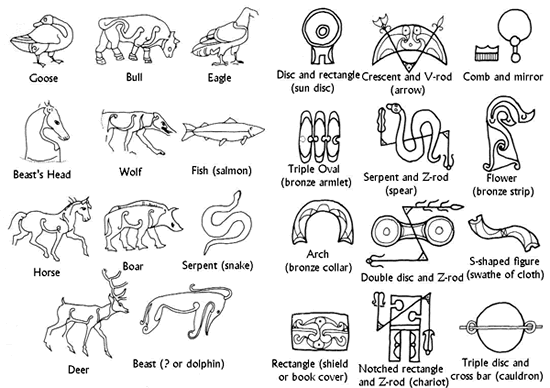
The Picts left elaborately carved stones all over Scotland, and some were re-carved with beautiful crosses as they converted to Christianity. The earlier symbols like the crescent and Z rod defy modern understanding, but the animal portraits on the stones show a keen intimacy with the being portrayed—an understanding of the anatomy and movement, of the animal’s presence. The beings on the stones are representations of animals we know today: eagles, boars, deer, bulls, salmon, serpents, bears and others. There’s one exception to this earthly menagerie—the mysterious Pictish ‘beast’. This dragon-like figure is most common on Pictish stones in Northeast Scotland.
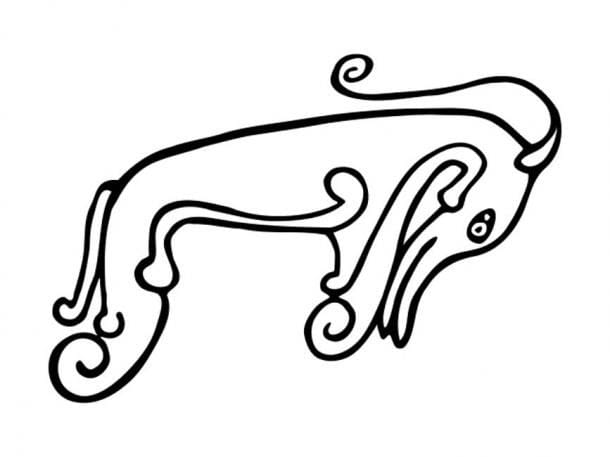
These stones are rare in Orkney and the Pictish beast is rarer still. In 2016 a violent storm revealed an 8th century Pictish stone wedged in a cliff face in Deerness on the east Mainland. On one side is an elaborately carved Celtic cross, with a Pictish beast on the other.
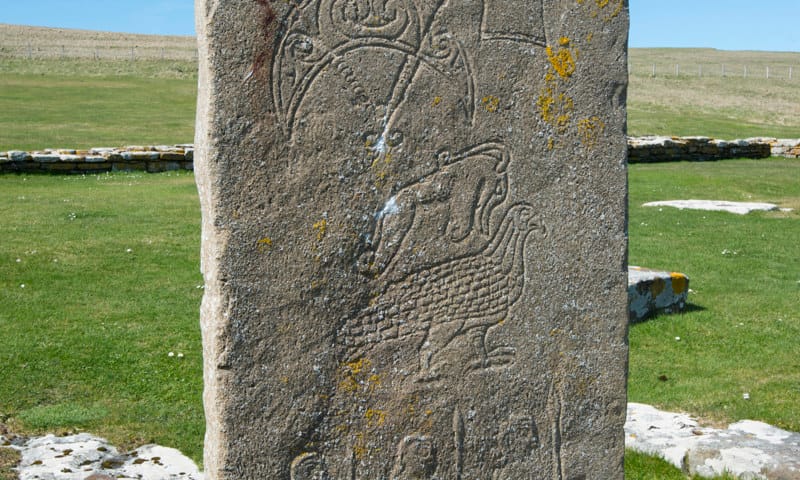
A second Pictish beast was found on a stone on the tidal island of Birsay, carved above another totemic Orkney animal—the sea eagle. Some have argued that the beast is a dragon or kelpie (a water-horse in Scottish folklore), but others see the beast as a dolphin—and I’m inclined to agree.
Marioun
Marioun Pardoun (also named Peblis and Peebles in the record) was executed for the crime of witchcraft in Scalloway in Shetland on the 22nd of March, 1644. She was accused of magically overturning a boat, causing four men to drown. When the bodies were found, Marioun and her husband were required to put their hands on the corpses to determine their innocence. The bodies bled and, in the logic of the time, this proved her guilt. (There is no mention of the husband in the trial record except in Marioun’s tortured reverie.) Details of her ‘waking’ or sleep deprivation were recorded, and her torturers are named—Mans Finlaysone and Jon Erasmussone. The greater the pressure they put on her, the more incoherent her confession became.
(I translate these words from Helene Willumsen’s transcription of the trial record into contemporary diction.) ‘…when they were waking her she asked where was the husband who was answering her? Speaking concerning her husband, she answered [that] he lay under her head and would not suffer her to confess.’ An accusation is noted in the margin of the trial record: Clothing your spirit with said pellock quaill. A pellock quaill is a dolphin.
Captive
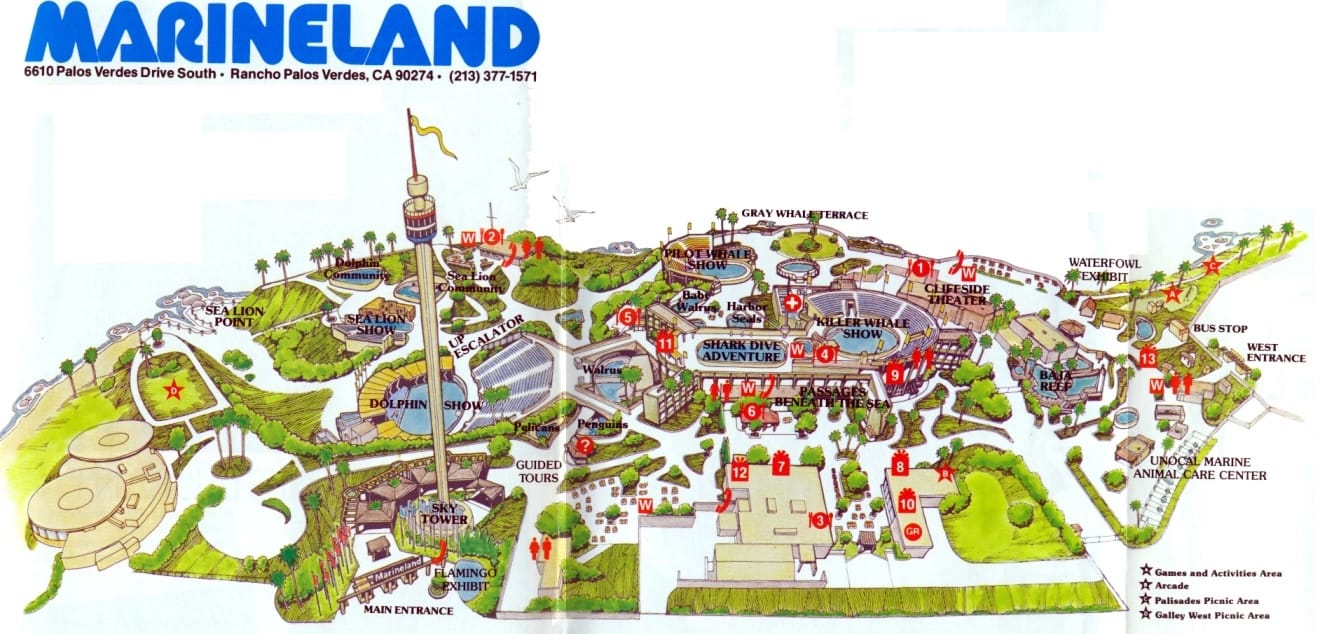
When I was a child I liked to listen to whale and dolphin sounds. I loved their throat songs—the clicking giggles, whistles of joy and foreboding above bass drop of deep water. I had a flexidisc from an issue of National Geographic that I played over and over on my portable turntable. When we moved from the midwest to Southern California, my father took me to Marineland to see some dolphins. It was 1986, a year before the grim place would close for good. Years after my visit, it remained a ruined, graffittied site used by locals as a makeshift skate park until it was developed into a resort. All of this is now sinking into the sea, including the 18th hole at the adjacent Trump golf course. Nostalgic, surreal reveries on Reddit are my only corroborators, with one poster using the phrase ‘fever dream’ to describe their memories of late 80s Marineland. It was once the world’s largest water circus, housing captive dolphins, orcas and seals. Orcas and pilot whales were forced to perform in tiny tanks—their lives often short and tortured. Dolphins leapt through hoops of fire and sea lions were forced to ‘sing’.
In my recollection, only my father and I are there, standing in wonder before the green murk of the empty ‘shark experience’ tank. We meander through the sun bleached park, around show tanks, their artificial blue depths mirror-still, as if before a storm. I stand alone beside the ‘Dolphin Community Tank’ and a being surfaces. She breathes. I put my hand out and touch the pale grey slip of her forehead. She looks at me and I am in the presence of a spirit clothed with pellock quaill. Her black eye takes me in–looks past to all beyond—over the walls of the park to the wide, bright sea.
Further explorations
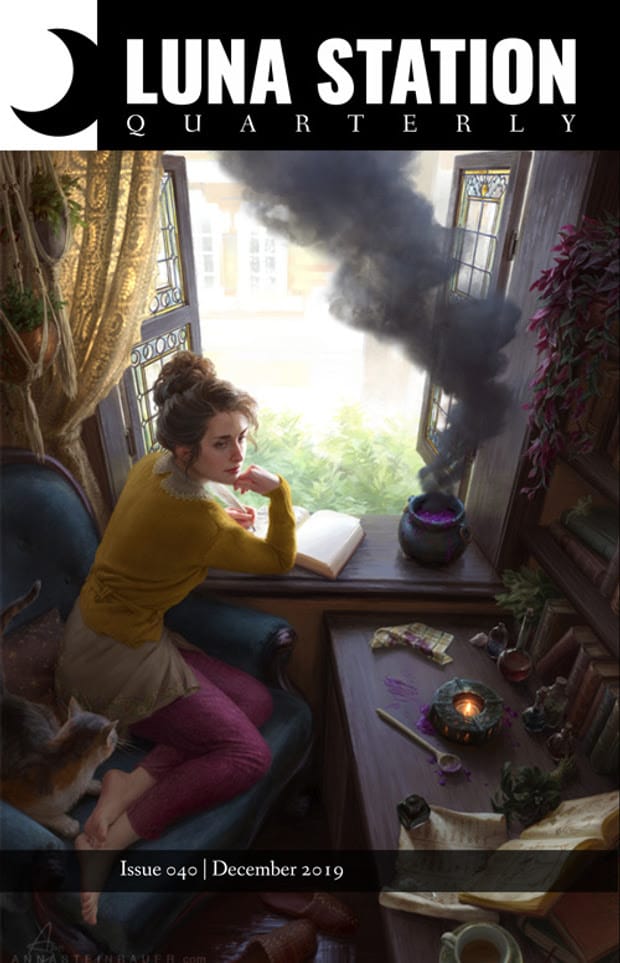
—Tales of Pictish beasts and dolphin transformations inspired my short story, ‘Gald.’ A chance meeting in a post apocalyptic Aberdeenshire changes two young women’s lives forever. You can read it in Luna Station Quarterly, issue 40—available as a paperback and ebook: https://www.lunastationquarterly.com/issues/040/
—Take a stand against the horrific slaughter of whole pods of pilot whales and dolphins in the annual Grindadráp hunt in the Faroe Islands. Just this month, 291 pilot whales were slaughtered in the village of Leynar, including pregnant females and juveniles. Boycott tourism to the Faroe Islands and encourage others to do so. Put pressure on the Faroe Islands government to put an end to this cruel ‘tradition’ that threatens the future of the pilot whale. Find out more here (warning–this link shows footage of the hunt and contains the graphic and violent animal cruelty of the hunt.) https://seashepherd.org/faroeislands/. If you would like to take action without seeing these images, go to this page to write to officials directly.
—Dolphin photographer with the Whale and Dolphin conservation society Charlie Philips regularly records and posts beautiful images of Dolphins from the Moray Firth on Mastodon
—Laline Paul’s brilliant Pod will haunt you eternally.
—Bad Kharma at Marineland in the L.A. Times: https://www.latimes.com/california/story/2023-08-17/palos-verdes-peninsula-marineland-ocean-karma-patt-morrison
—Recovery of the Orcadian Pictish stone in Deerness: https://www.bbc.co.uk/news/uk-scotland-north-east-orkney-shetland-37798080

 Allyson Shaw, Author of Ashes and Stones