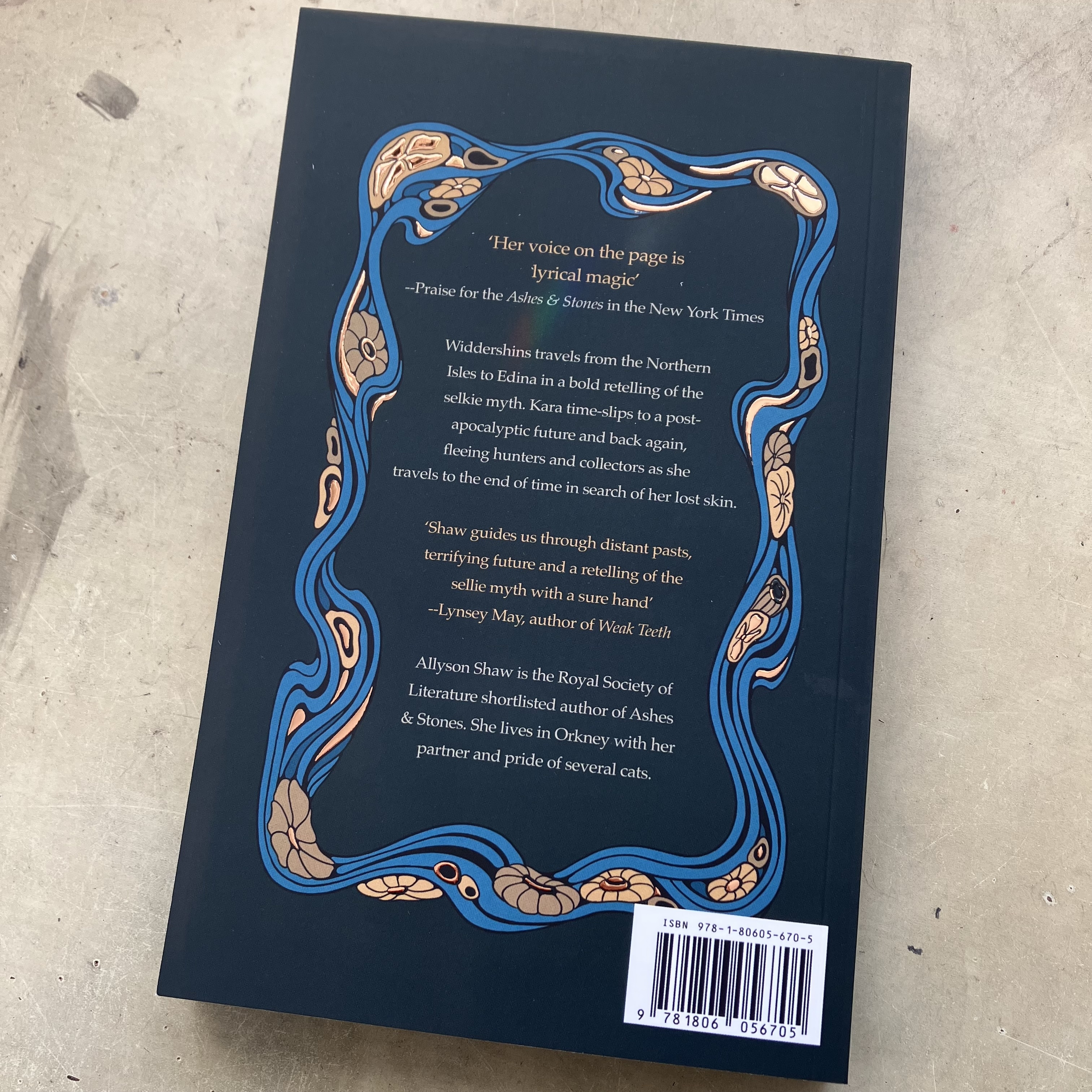
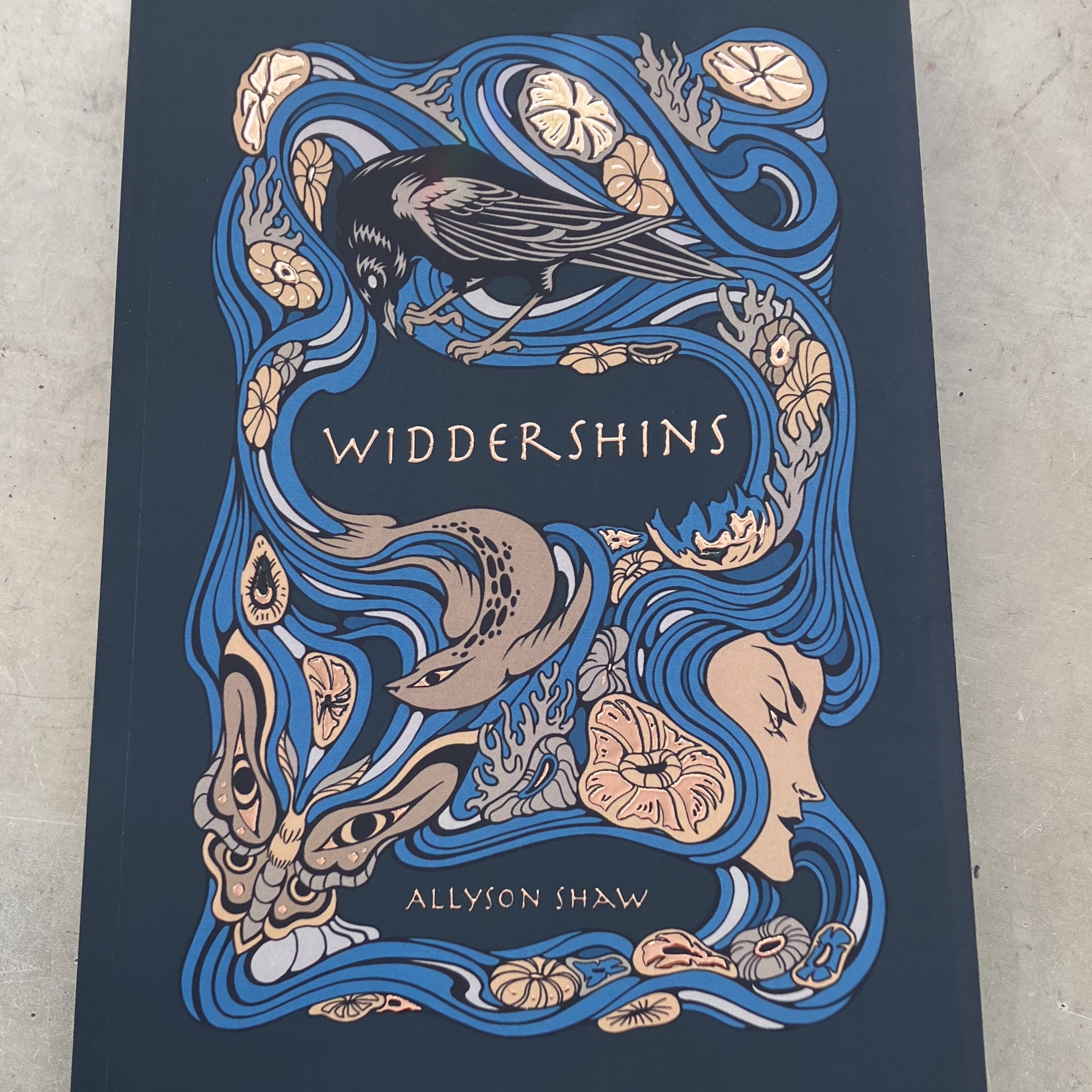
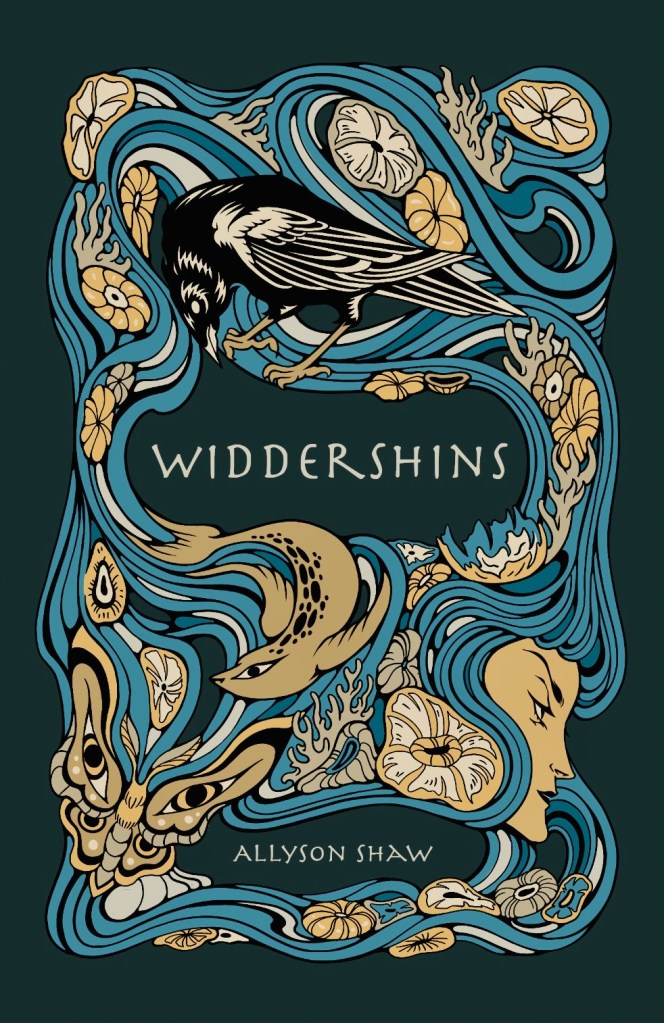
My fantasy novel Widdershins travels from the Northern Isles to Edina in a rollicking, lyrical fairy tale. Kara’s story is vibrant retelling of the selkie myth and an epic tale of connected lives spanning a thousand years. She time-slips through myth and folklore to a post-apocalyptic future and back again, fleeing hunters and collectors as she travels to the end of time in search of her lost skin.
This foiled paperback edition with sprayed edges is exclusive to Feralstrumpet.com
“A bold and absorbing exploration of how a soul – and its story – can survive its tellings and retellings. Over a thousand years and through shifting landscapes, Kára finds and forgets herself in an epic quest for connection and belonging. An intricate fantasy with folkloric roots, Shaw guides us through distant pasts, terrifying futures and a retelling of the selkie myth with a sure hand.”
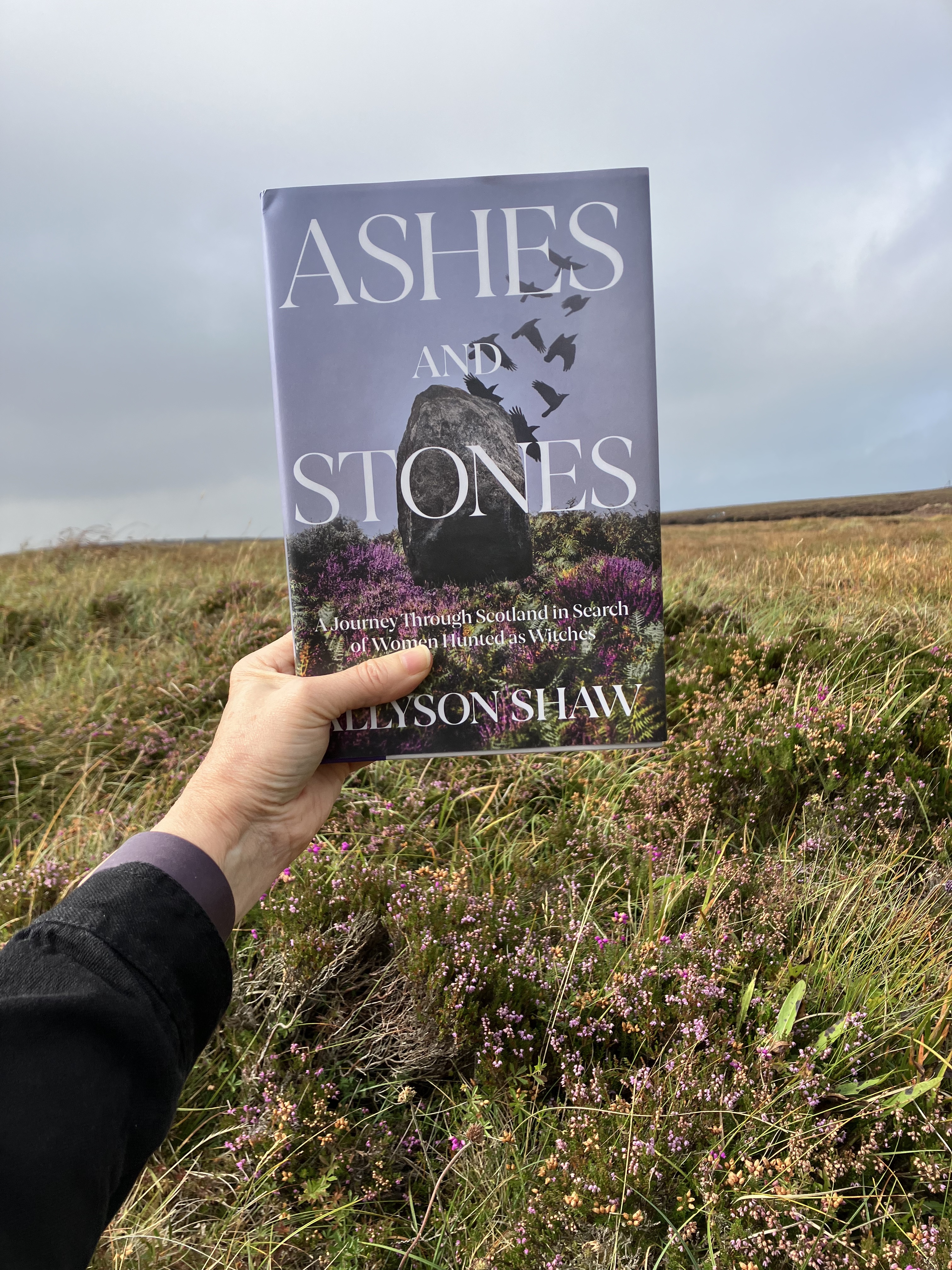
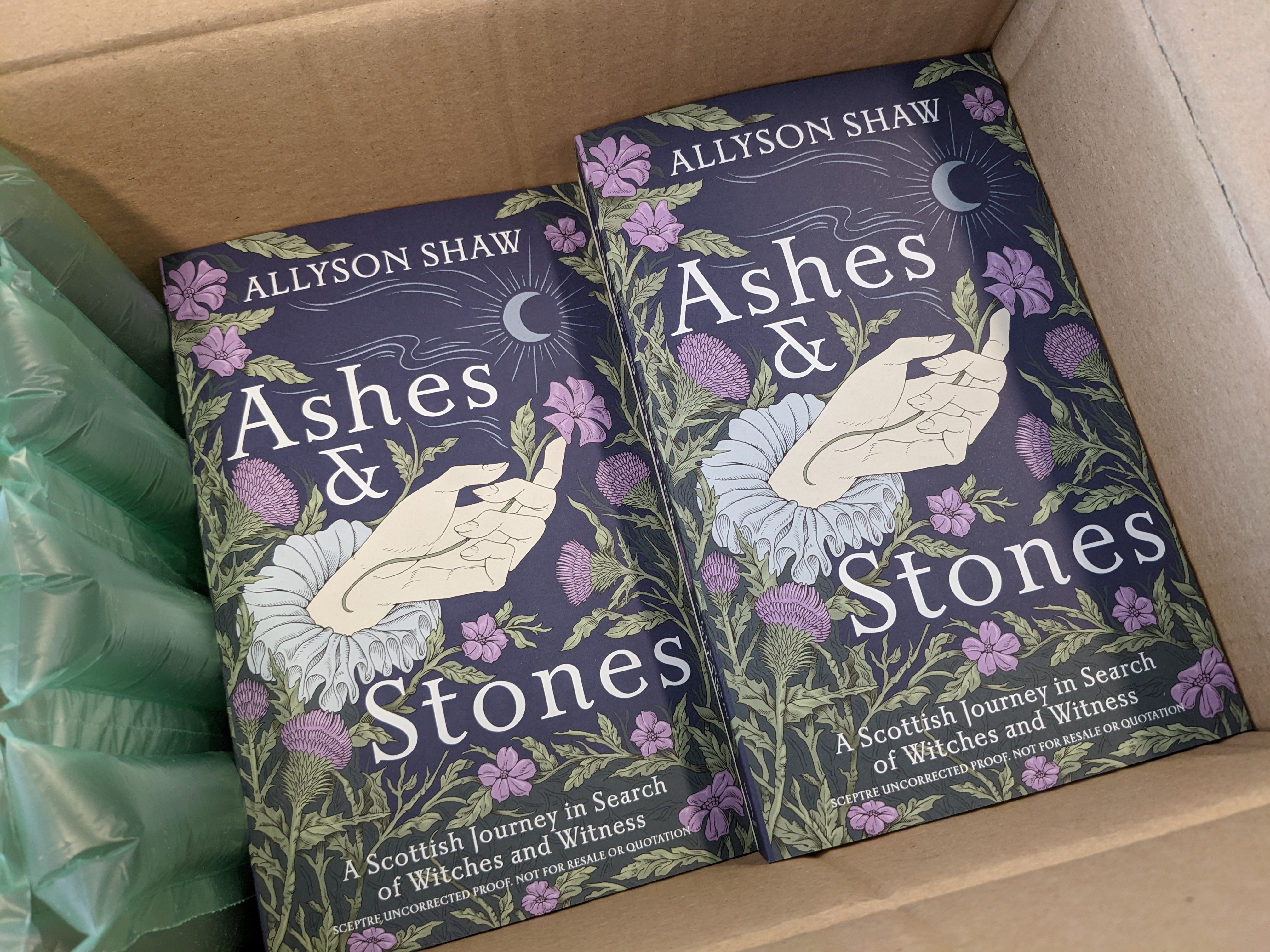
A limited number of signed copies of Ashes & Stones are available directly from me, here.
Praise for Ashes & Stones from Readers, critics and fellow writers:
Totally unputdownable —Seáinín McKenna
Really recommend this fantastic book by @northseawitch…it’s breathtaking. On the memorialisation of those executed for witchcraft in Scotland and the politics surrounding their exploitation for the purpose of dark tourism. We need more work like this!
–Ben Nicholson, Warden of the Tower of London
Allyson Shaw’s Ashes & Stones is a remarkable book, one I imagine I will return to over the years when I want to be reminded of how magic works in literary form.
—Ariel Marken Jack, Songs from a River’s Edge
…attentive and reverant, grounded in place and presence…a book that listens as much as it tells. The lives of seventeenth-century women resonate alongside those of modern women navigating memory, inheritance, and belonging…an ongoing act of remembrance—one that invites readers to choose their ancestors consciously and responsibly….reminding us that landscapes remember even when official histories forget.
—Chalres Martin, bestselling author of The Mountain Between Us.
Shaw passes over centuries-old footsteps like fingers on Braille; the lilt of her voice on the page is lyrical magic.
–The New York Times
…atmospheric, scholarly – and gripping – Ashes & Stones… gives life to many of the women burned as witches in Scotland. Shocking and important – it made me realise this hasn’t been done before, nor have I questioned why until now.
–Laline Paull, author of Pod and The Bees
Ashes & Stones is its own reminder of a dark period in Scotlands’s past, but also carries a warning for the present day…This is not the book you think it is, and it is all the better for it.
–Alistair Braidwood, Snack Magazine
A beautiful, tragic, life-affirming book weaving Scottish witch history with lived experience — more people need to read it. 🖤 @honestlybookedjulie📚 on booktok
It’s a brilliant read. Lyrical and haunting in no short order. Definitely recommend 🥰 @BrynhildrSigurdsbane
Allyson Shaw’s Ashes & Stones is a remarkable book, one I imagine I will return to over the years when I want to be reminded of how magic works in literary form.
It is a truly staggering example of how one might balance memory and dream and scholarship and imagination and empathy to create a multifaceted portrait that, without pretending at perfect accuracy…manages to bring long-lost women to enough of a semblance of life that it feels as though they are walking along the hills and the water and the old roads alongside their author and her readers.
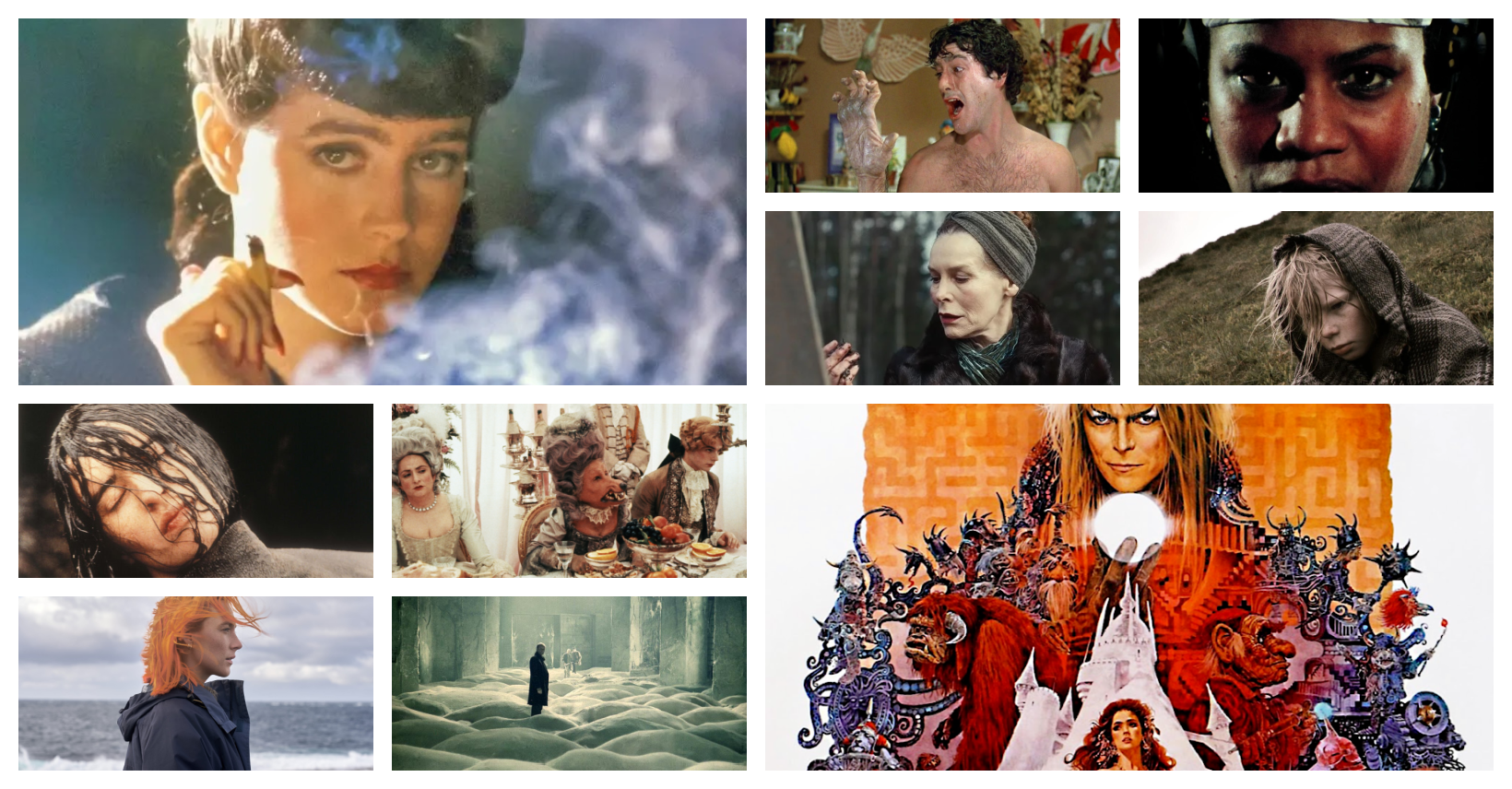
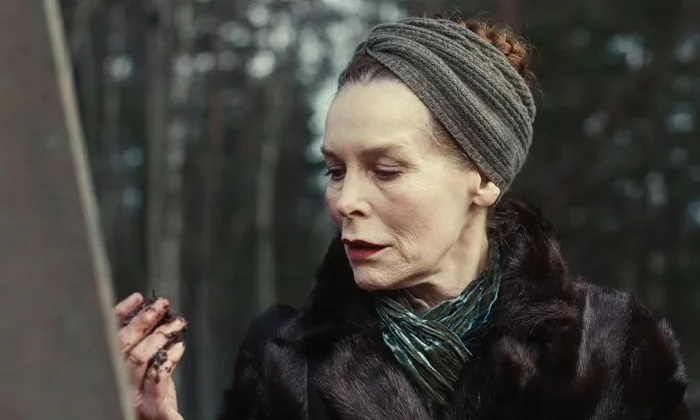
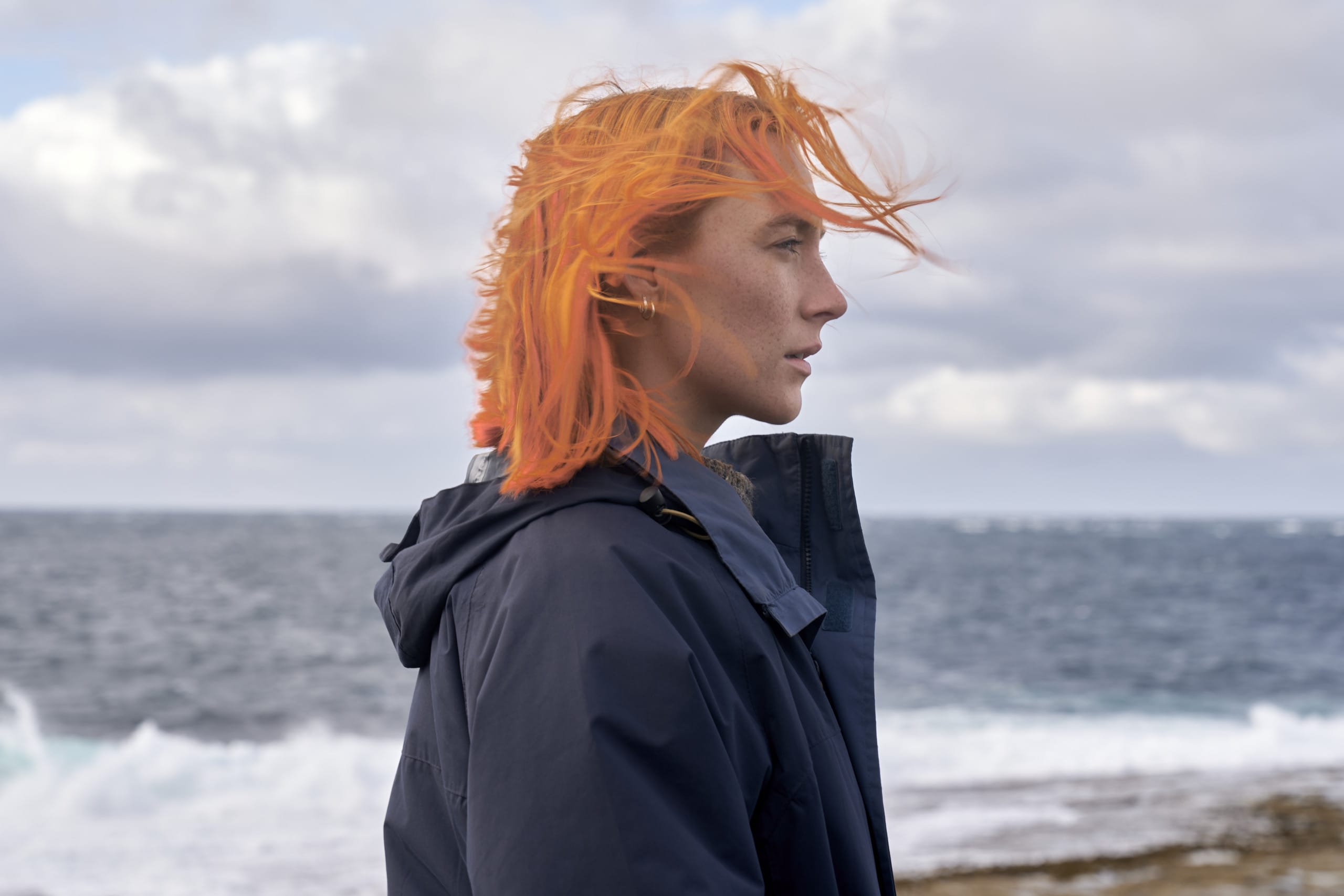
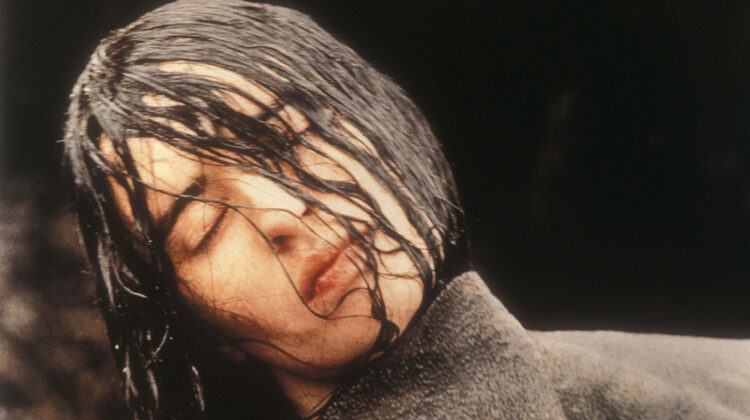
Get the popcorn ready and fire up the telly, because I’m proposing a Widdershins film fest! Some films, like the Outrun, I watched while editing the Widdershins, while the effect of others I only see now that the book is written.
Valhalla Rising (2009)
Otherworldly & transportive Viking Age adventure. The stark cosmology of Old Norse lore is rendered with surreal daring. Watching it, I felt I had been immersed in another way of thinking about fate and the gods.
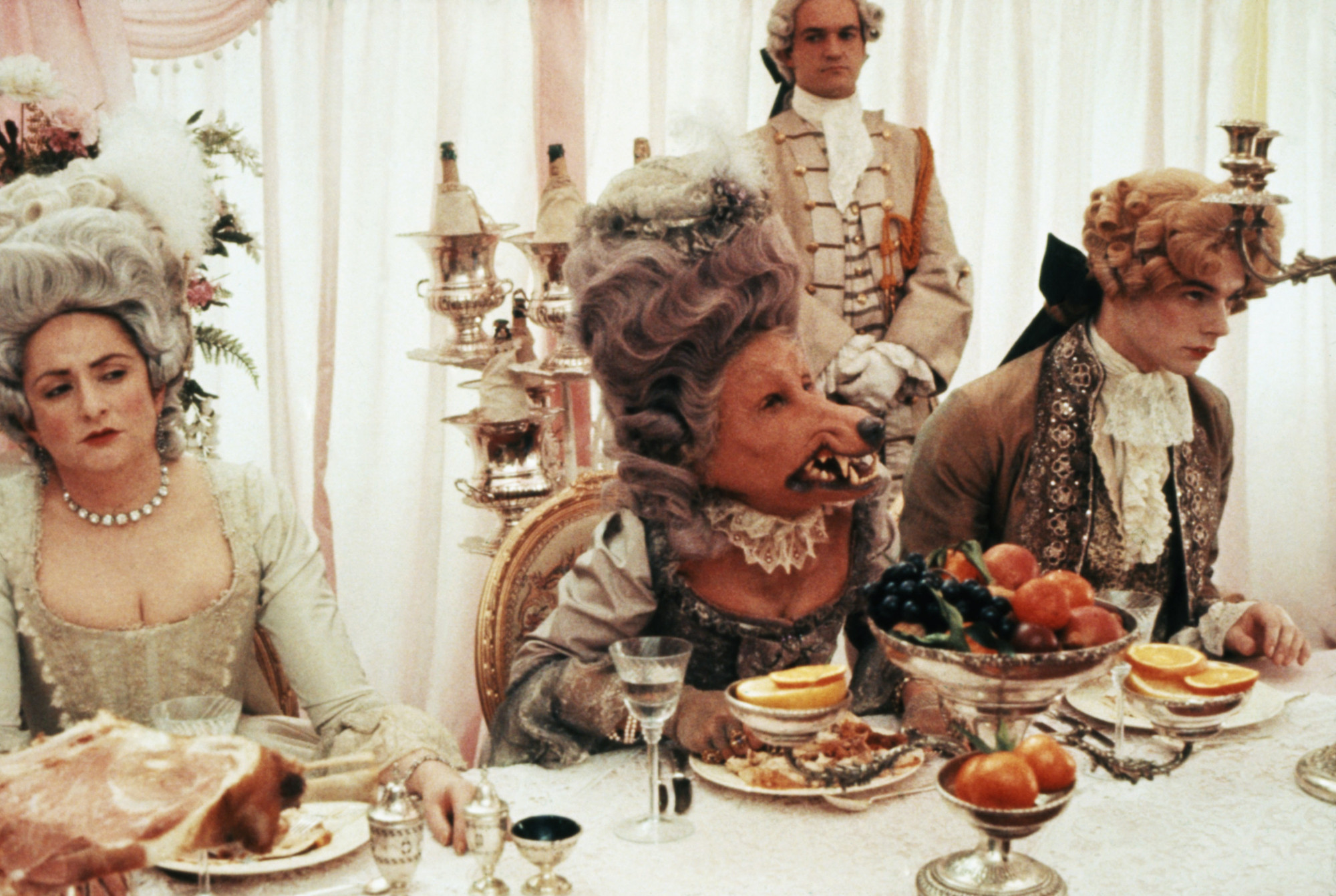
The Company of Wolves (1984)
An adaptation of Angela Carter’s short story of the same name in her masterwork, The Bloody Chamber. She wrote the script; its stories-within-stories, funhouse mirror still fascinates. I think I have absorbed this mode of telling into my DNA at this point. The special affects—before CGI—are as terrible and uncanny as the first time I watched them as a teen.
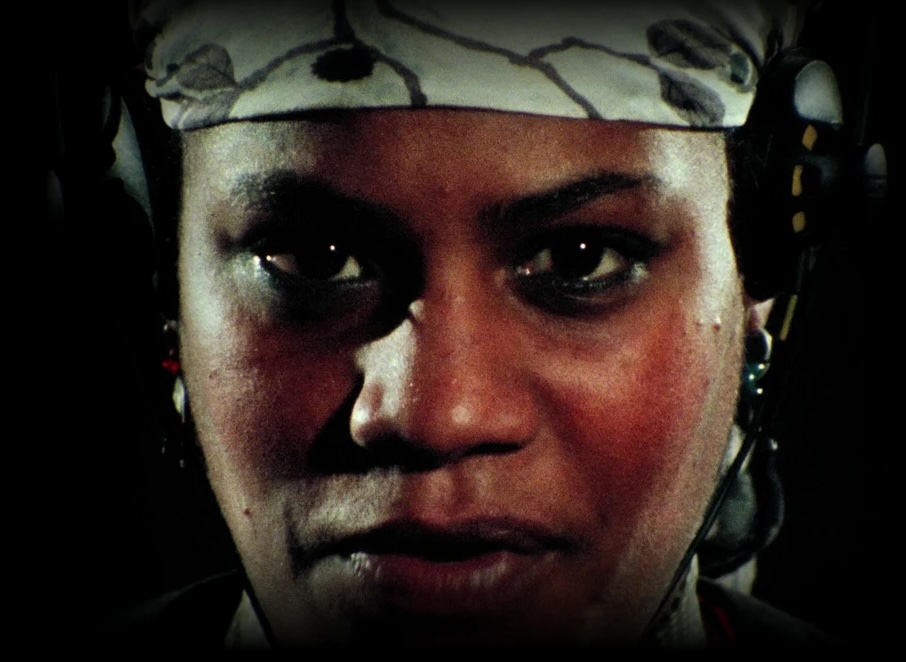
Born in Flames, (1983)
I saw this film about intersectional feminist revolution as a young woman healing from SA. Let me tell you it was CATHARTIC. In the world of this film revolution as not only necessary but possible. It also frightened me, as any powerful thing might.
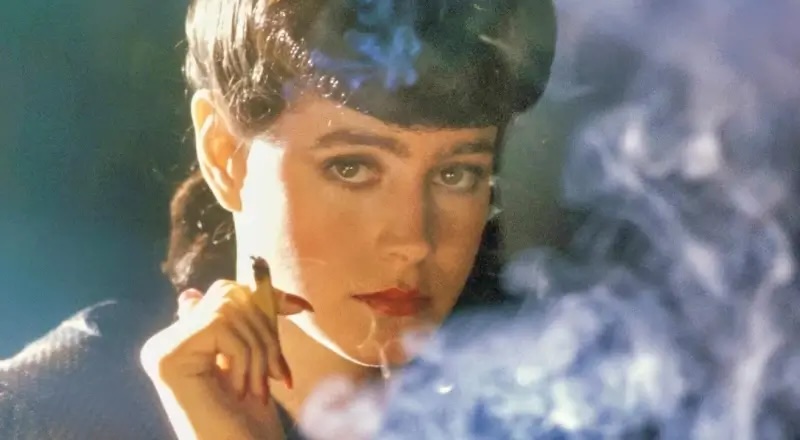
Bladerunner (1982)
I have watched this film over and over, and always find something new in it. While writing Widdershins, I returned to images of Pris and Rachel and other replicants. Their liminality and insistence on their own sentience and integrity inspired me. In many ways Kára, the pelt-less selkie doomed to be not-quite-human, was inspired by them.
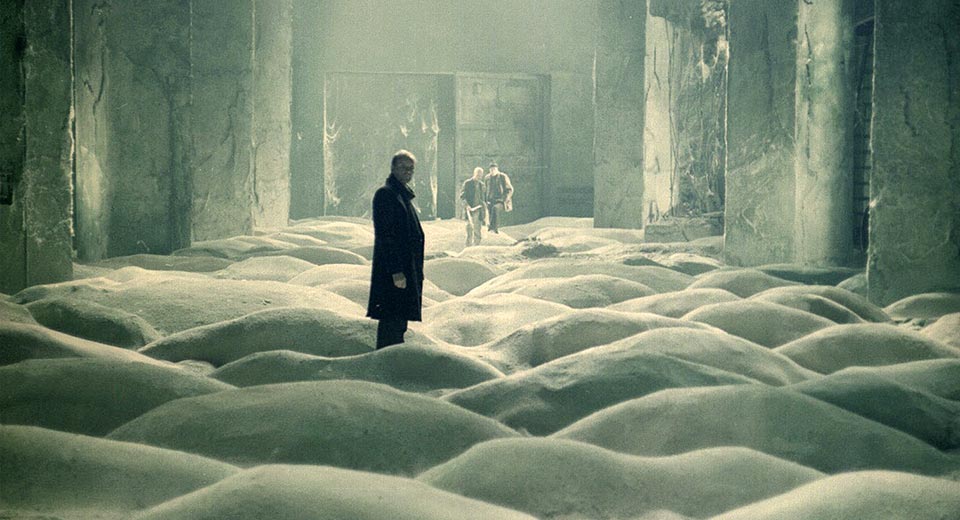
Stalker (1979)
Andrei Tarkovsky’s genre-bending film set in a post-apocalyptic Russia is poetic dreamscape. The Stalker is an illegal guide in the ‘zone,’ a post-nuclear or perhaps a site of alien tech, where laws of physics are altered. The Stalker guides a writer and professor through the wilderness—a place where human civilization has been reclaimed by nature and by something else.
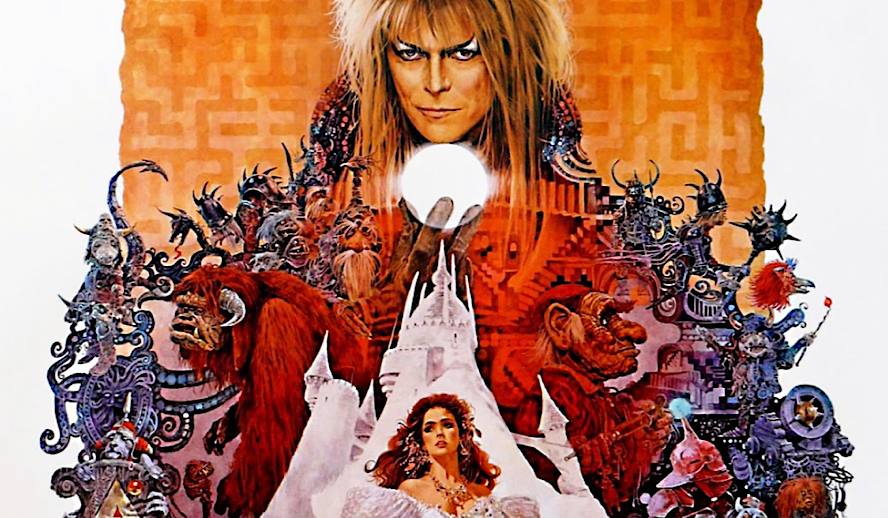
Labyrinth (1986)
Jim Henson & Brian Froud’s manifestation of fairyland and fairy logic is absolutely foundational for all fairy fic that came after, including mine.
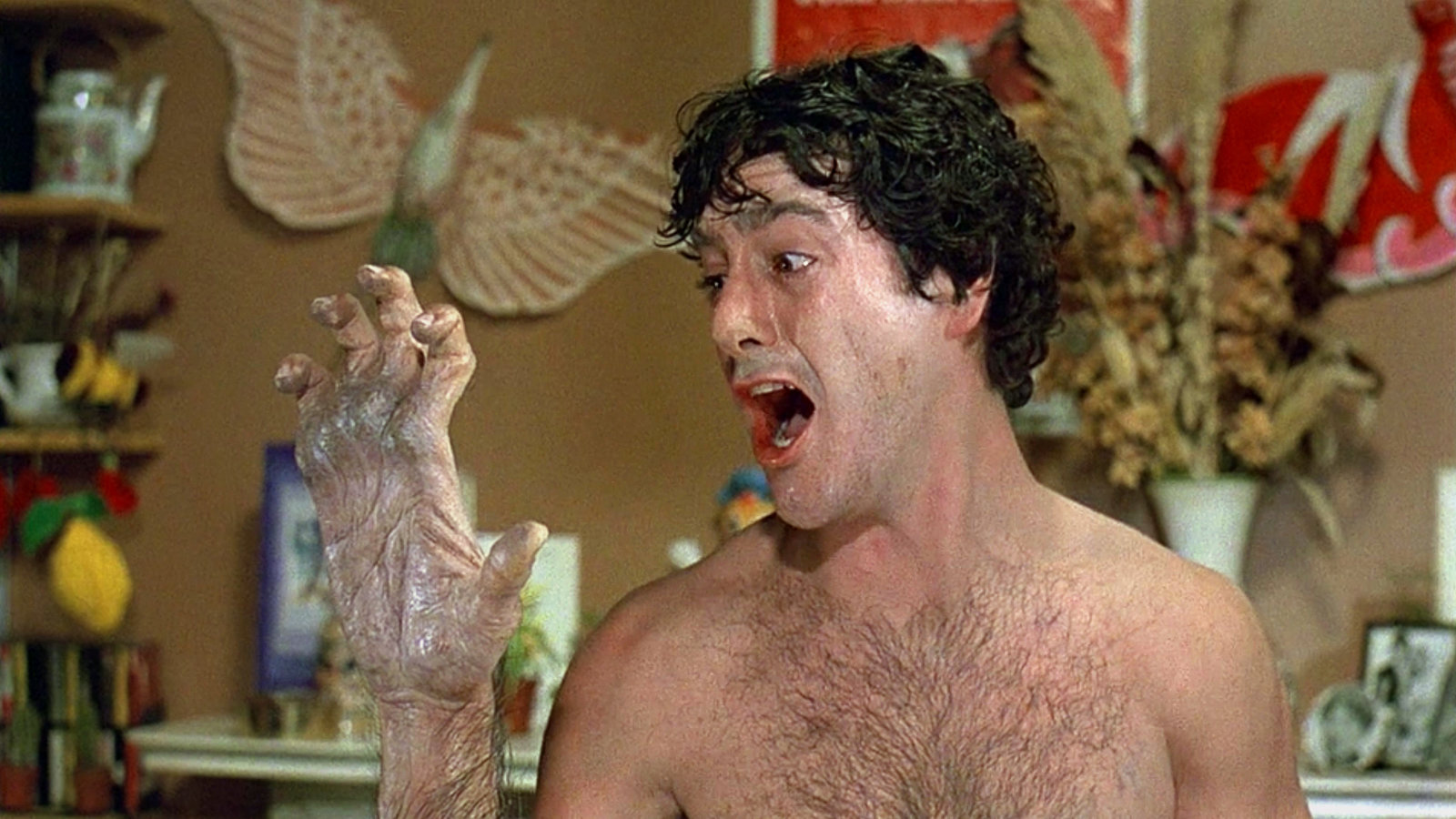
American Werewolf in London (1981)
One of my favourite horror films, when I rewatched it recently I was struck by the kindness threaded throughout the film’s beauty-and-the-beast sub plot. As I wrote and revised Widdershins, it was this thread of kindness I polished, burnishing it until it shone as the red thread of hope through the book.
She Will (2021)
I have written before about this outstanding horror film exploring the psychogeography of the Scottish landscape, marked in places by the historical trauma of the witch hunts. It is a film about healing—the land, mind and body, but stripped of the corrupting force of ‘wellness.’ This is a path well forged through Ashes & Stones. I only saw this film after Ashes & Stones came out, but wished I’d seen it while I was writing the book. Perhaps I would have felt less alone in my task.
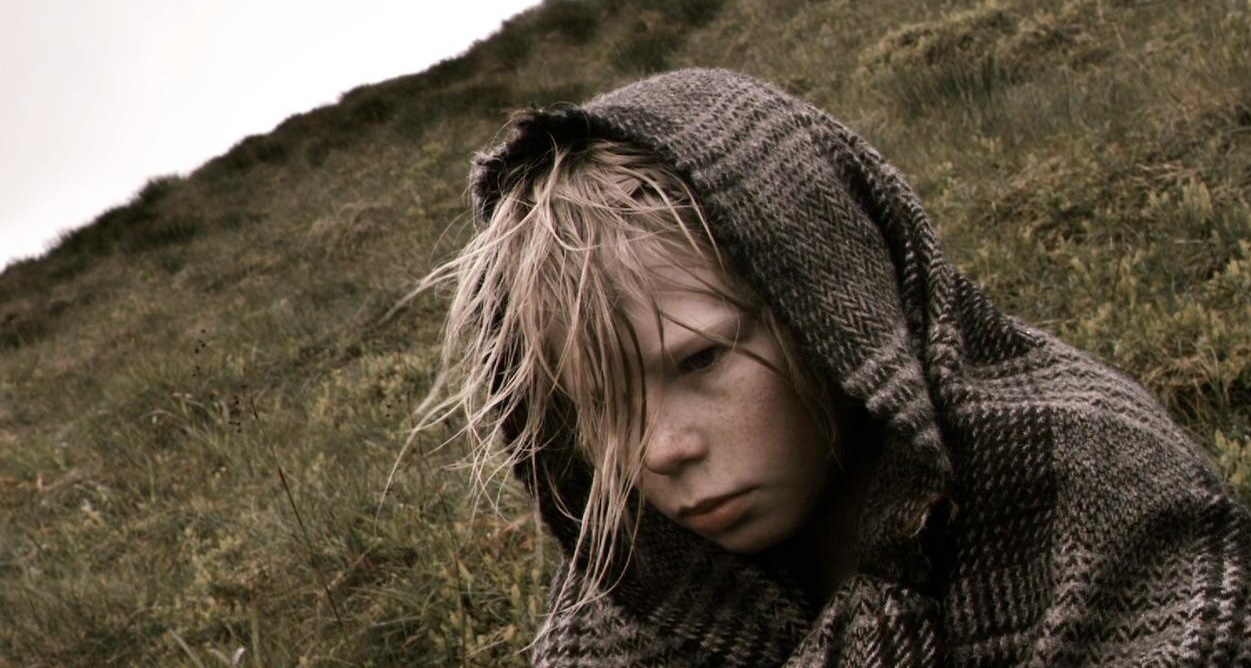
The Outrun (2024)
A beautiful rendition of Amy Liptrott’s outstanding memoir. This is an accurate portrait of the severity and mystery of Orkney, and what it feels like to live here. I fear the idea of Orkney as a ‘healing place’ might become a cliche now, and yet there’s something here that calls to me and others like me. The sense of belonging and place evoked in both the film and the book, as well as the pull of the land itself is absolutely the inspiration for Widdershins. As Steph, the chronically ill revolutionary in Widdershins, says, ‘…some people just have the islands written all over them—they mark us. We wear that island-longing like a second skin.’
The Secret of Roan Inish (1994)
This Irish selkie story shares aspects of Orcadian lore, and the original novel was set in Scotland. I saw the film as a young woman. My father actually told me about it. In a rare moment of perception he said, ‘this film is for you.’ I watched it 11 years before migrating to the UK, and 30 years before writing my own story of Seal Islands.
A blessed Beltane to you, dear reader—and happy Samhain if you are on the other side of the globe!
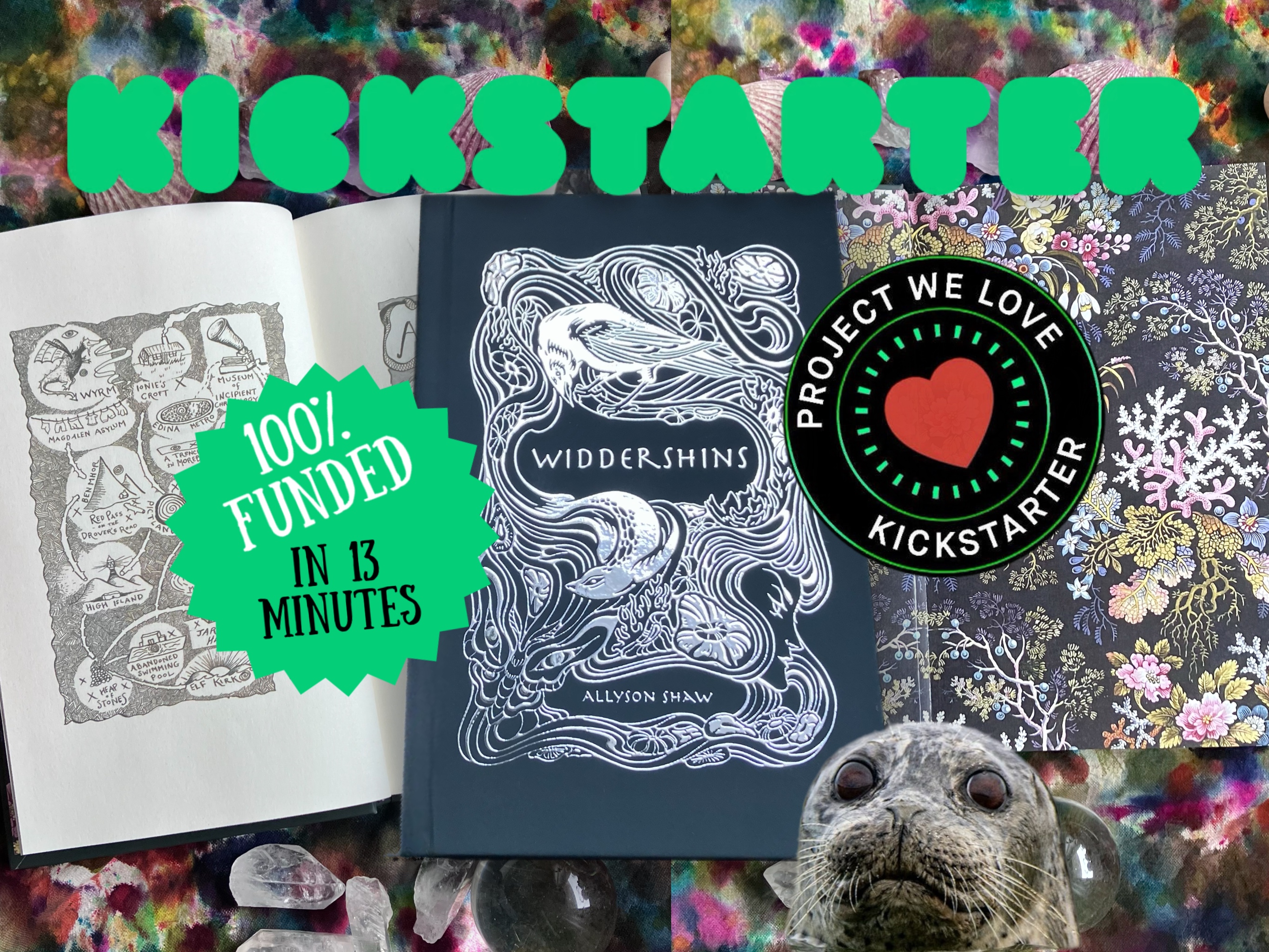
Before launching the Kickstarter I did a lot of research about when it would be best to launch. Consensus said a Tuesday in September was ideal. I knew that wasn’t going to work. I wanted to launch on Witches Night, and I hoped the universe would help me make this dream come true by the time the moon was full on Beltane. So mote it be!
Yesterday I hit the Kickstarter launch button and felt like Kára—the main character of Widdershins—had taken flight yet again. The jubilant unknown of writing the novel had returned for that moment; I had no idea initially how high she was flying—what full, Beltane moonlight guided her.
13 minutes later, Widdershins was fully funded! Thank you to those who have backed the project already. As I write this the project is over 600% funded with 29 days to go. It’s a “Project We Love” on Kickstarter, meaning it will be featured on the site.
If you haven’t yet had a look, the Kickstarter page is here.
I’m gearing up to lauch the Kickstarter for my debut novel, Widdershins, and I thought I would show you a sneak peak of the premiere tier, The Witch, and what inspired it. Sign up here to be notified when the Kickstarter launches on April 30th of this year.
Ten years ago I wrote a guide to witch’s beads, sometimes called Pagan prayer beads or Pagan rosaries. It was informed by custom designs I created for other witches, Pagans and Heathens. For the last 15 years I have run Feral Strumpet, a handmade adornment and altar supply business. I once made custom strands for people who used them in devotion or simply wore them. I also repurposed broken rosary beads, giving them new life.
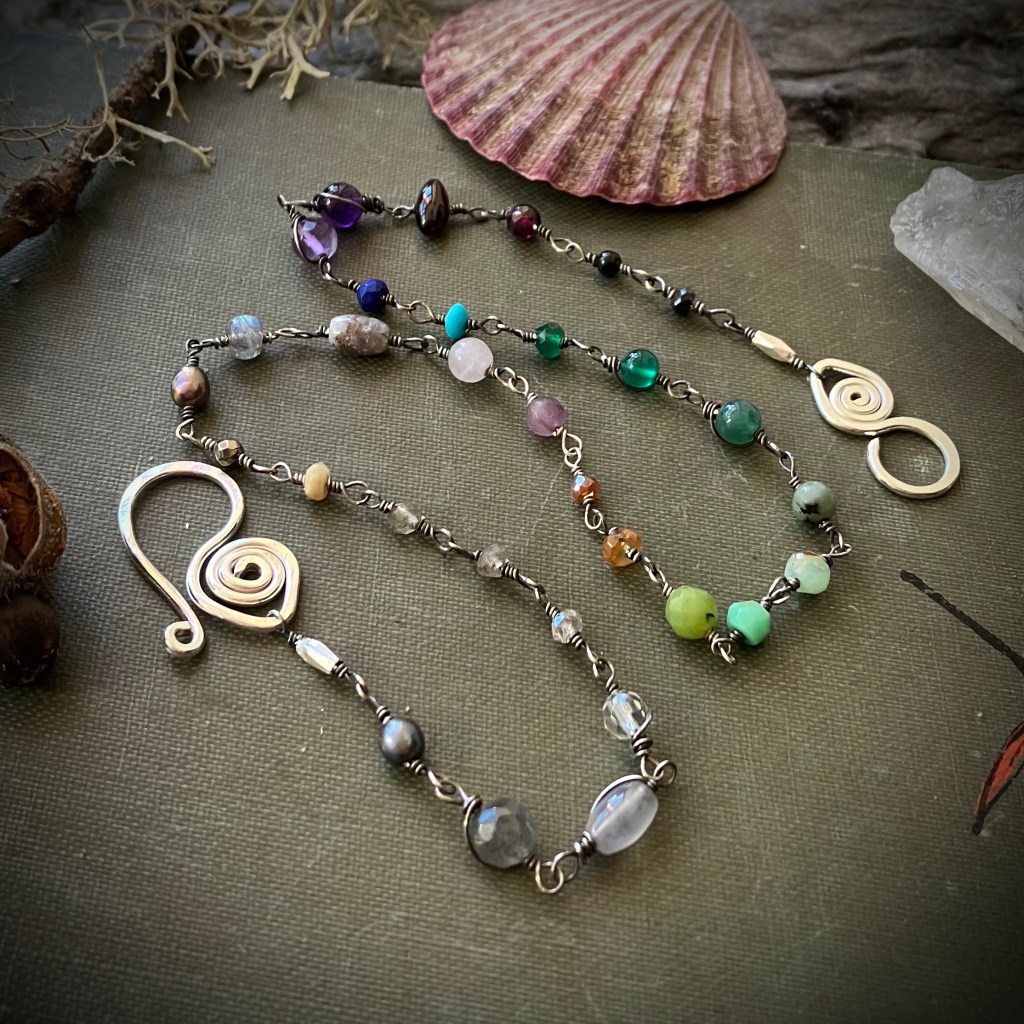
While I can no longer make those beaded strands as custom designs, I do still make what I call Witches Ladder necklaces—each is a one of a kind sterling silver necklace made with links of semi precious stones, all inspired by the colours of the Orkney landscape where I live.
As part of the Widdershins Kickstarter, I will be offering one of a kind, necklaces handmade by me as part of the Witches Tier. [The way Kickstarter works: supporters of a project like Widdershins choose a tier, and each tier comes with unique rewards once the project is funded. Kickstarter is all or nothing—only projects that meet their funding goals are funded.]
The article I wrote in 2016 links this meditative metal working technique used in my witches ladder necklaces to my writing process. Interlocking spirals also give shape to the story of my novel Widdershins!
Some rosary inspired designs I’ve been making for the last 15 years!
Here is the article I wrote for my shop blog in 2016
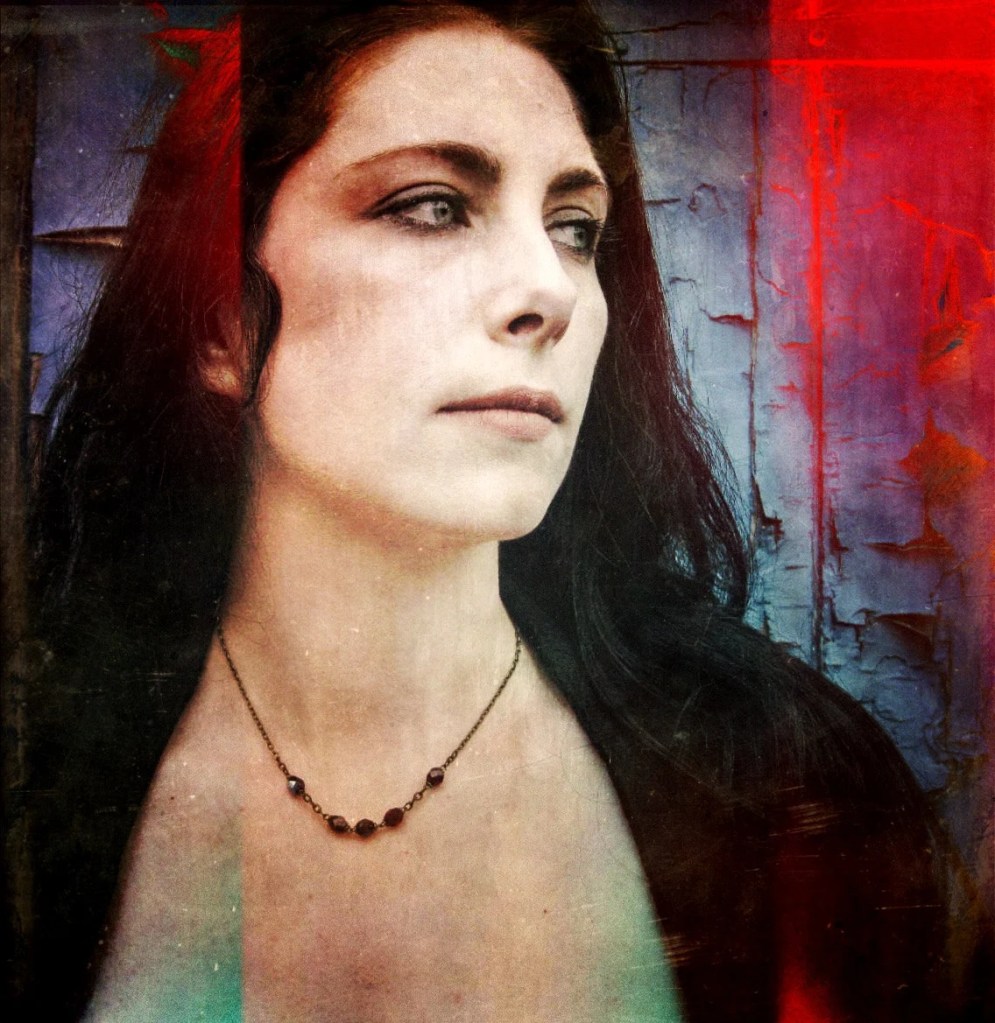
Catherine wearing a repurposed rosary fragment necklace
The use of a strand of beads in prayer is universal across almost all faiths, but is well known in the form of the Catholic rosary. I have collected rosaries since I was a teenager. Often I would find them in the street, in thrift shops or at flea markets. I have refurbished them and sold them whole again, reused the fragments but I have also listened to them. Some wanted to be something else entirely, and perhaps this is why they found their way to me.
I have always loved them, perhaps because they are a physical representation of devotions to Mary. They were the first meditations to a goddess—a divine woman and alternative to God the father—I had ever known.
Some witches, like myself, have come from a Christian path and may miss certain aspects of those rituals. A wonderful article about this can be found on Patheos, Retooling the Rosary. The meditative rhythms of the beads reflect the rhythms of the earth. Pagan prayer beads can use many of these for their structure–the four seasons, the phases of the moon, the 8 Sabats or 13 Esbats, the 24 runes in the Elder Furthark. I am partial to nines—the spinning number of three times three. Odin hung on the tree for 9 days and there are 9 worlds in the Norse cosmos. The ubiquitous 9 maidens in folklore also inform my designs.
Even in my secular jewellery—meant simply to be worn and enjoyed—the hand wrapped rosary links I make are very meditative. Some designs take on a devotional feeling as I make them, much like the rhythms of tying a witches ladder.
Traditional ladders used knots with feathers attached in binding spells. For instance, to bind an illness the knotted cord was worked up and then thrown into a pond or river–presumably the ailments went with it. [Knotwork is also part of weather magic in Orkney folklore]Any research on the subject is bound (ha!) to turn up the use of knot magic in cursing. We must cast a critical eye on the remnants of history left to us by those who wished to distort our traditions. This work was most likely also used for other benevolent purposes as well as ill. In modern Wicca, the knots are used to seal a working and chanting can be part of it.
A variation on the traditional chant:
Knot one, the work’s begun. Knot two, my aim is true. Knot three, it will be. Knot four, power’s stored. Knot five, the work’s alive. Knot six, the work’s fixed. Knot of seven, the truth given. Knot eight, will be fate. Knot nine, the work is mine
[The currently AI-dominated internet will tell you Deborah Harkness, author of the novel A Discovery of Witches, wrote the worlds of this spell—but I’m here to tell you it it’s older than that.)
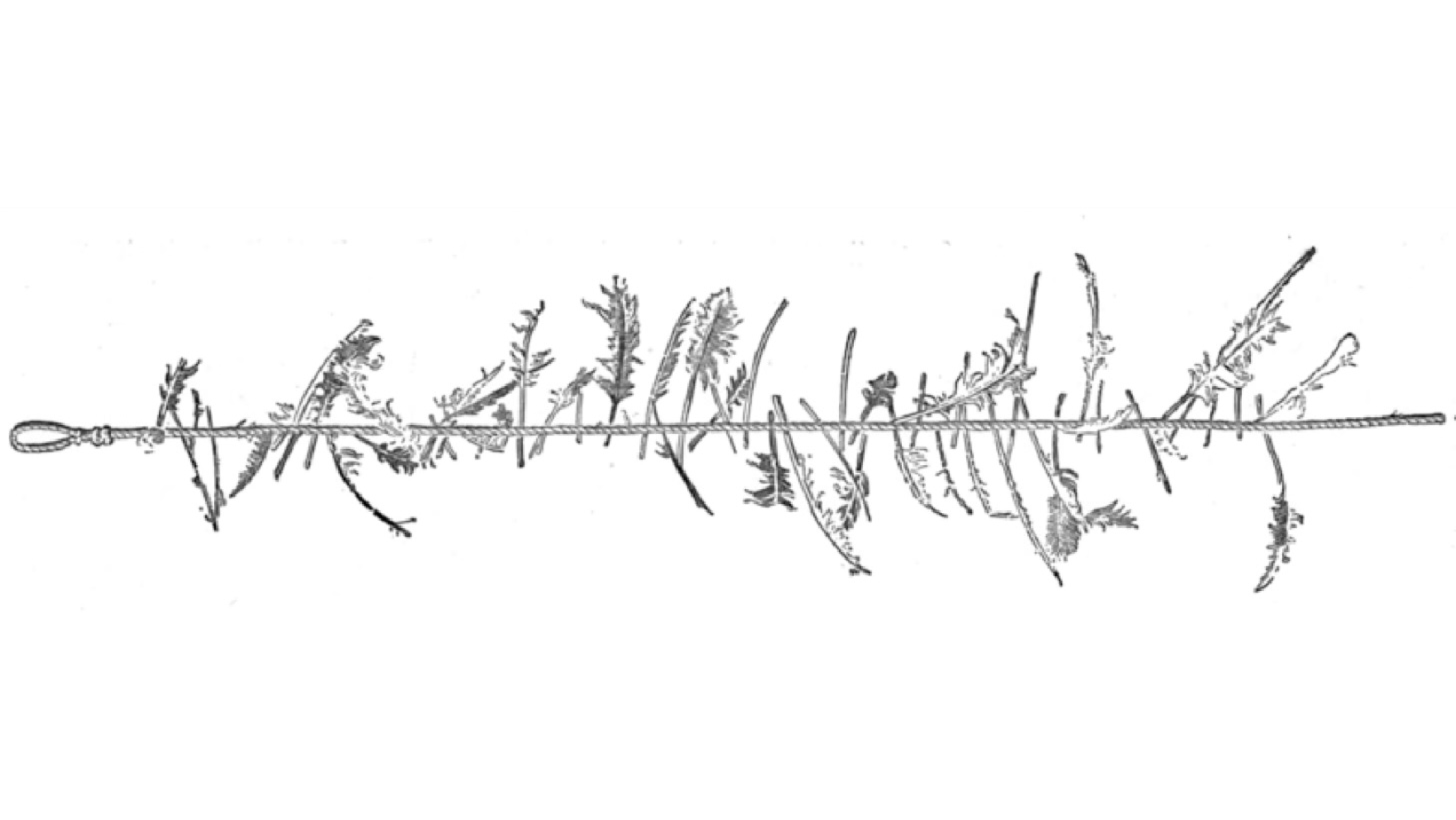
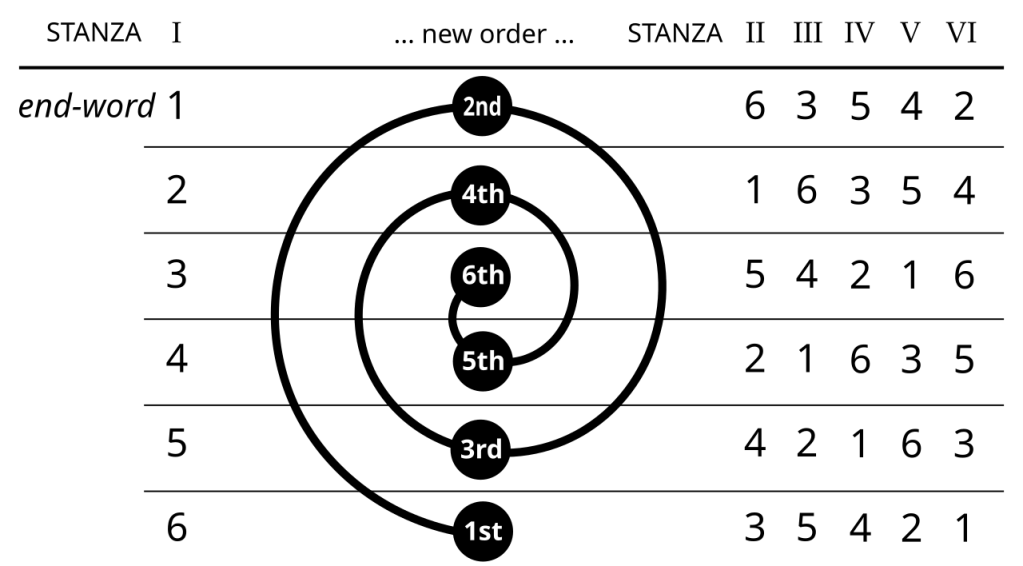
As in prayer and spell work, words are more powerful if you use your own. In my other life as a poet I have been obsessed by the sestina form, a six-stanza poem that ends in a three line envoy. The end words of each line are rotated through the stanzas, as strands in a braid. This form was arguably invented by a 13th century troubadour, Arnaut Daniel, who called it a cledistat, which means “to interlock”. Here is a wonderful graphic that shows the structure of the sestina as a series of beads or knots on a spiral thread.
I am constantly amazed at the correspondences between modes of creative work. The same attention to detail that went into writing my sestinas is manifested in my hand wrapped rosary chains. They are from the heart.
Tomorrow is my book birthday. Ashes & Stones, my creative nonfiction book about women persecuted as witches in Scotland, was published three years ago.
I began writing and researching the book over eight years ago. When I started the work, few people were talking about the history of witch hunts in Scotland, even though #witchythings were riding the capitalist zeitgeist. The witchwave was in full swing, with #instagramwitch influencer culture booming.
Trad publishing is always slow. It comes for trends after they have peaked and are near consumer exhaustion. My book was picked up during the feeding frenzy for witch books.
The sites I mapped and uncovered—sometimes literally—are now well known to Scottish tour guides. Stories uncovered during the countless hours combing through tedious old privy council records and emailing archeologists and other experts are now repeated as if they have always been common knowledge. Social media has made this possible, and we live in a time where citing your sources no longer matters.
I have never had a baby, but writing a book feels like having a baby—except this one gestated for over five years. And then I handed the baby over to strangers to do with it what they will. So maybe it’s not the best analogy.
But let’s go with it. A three year old might be able play with other children, take turns, and understand sharing, but my book came into a world where this isn’t encouraged. I set her on her way into a selfish, antisocial world, to be judged by the money she could make for others rather than for what she was.
Sometimes I still have pangs of grief about that rather than feelings of joyful achievement. BUT she is three! With thousands of readers (tens of thousands, perhaps). She can now also run and jump—into the hands of other readers who have been waiting to find her.
🧁 Celebrate with me. Here are some ideas:
If you are really feeling generous and have read the book, why not leave a review on one of the big sites that collect that kind of thing?
Why not check it out from your library or purchase it? Both of these matter—I get paid when these things happen.
If your library doesn’t have Ashes & Stones, why not request it?
If you know someone who would like my book, tell them about it!
If you are in Scotland, visit one of the sites I mention in the book. Leave a non-material offering. There are too many things littering our sacred sites. Instead, leave a song, words of remembrance or a prayer. If you light a candle, take it with you when you leave.
Also—as the ribbon on top—consider how we consume media. Things are getting tough out there for creatives. I know many of you reading this are in the same boat. Our work is being stolen. Business models that once supported us now turn to influencers to make culture. Our work is disseminated in ways that don’t benefit us, and there is nothing we can do about it. For instance, did you know that authors are not paid (at least not trad published authors) when you read the book on Kindle Unlimited or listen the audio book on Audible or Spotify? Even buying a used copy—great for the environment—means the author sees none of the money changing hands.
After the publication of Ashes & Stones I was busy moving to Orkney. During this chaos, a story began to emerge—a woman’s story. She was insistent and ever-changing, spanning millennia. I called her Kára, a valkyrie’s name, a reincarnated being attested in an Old Norse poem in the Poetic Edda. If anyone could show me how to rise from the ashes of despair—it was Kára. Her name in Old Norse means wild and stormy; she was Orcadian through and through, but from way back.
I began to write her tale down, incorporating what I had come to know from my extensive research into Scottish fairy folklore demonised during the witch hunts.
I wanted a witch book that wouldn’t dwell on persecution and suffering. I wanted a witch book that wasn’t vapidly escapist fantasy—plucking the good bits from women’s stories and leaving the rest. I wanted a witch book that wouldn’t trigger me, so I wrote one.
I also wanted complete artistic and editorial control of this book. Could I manifest this thing into the world in direct relationship to my readers? And then I made a plan to make this possible.
I will be running a Kickstarter for the book early next year, with a limited edition hardback and ebook. You—my wonderful subscribers—will be the first to hear about it!
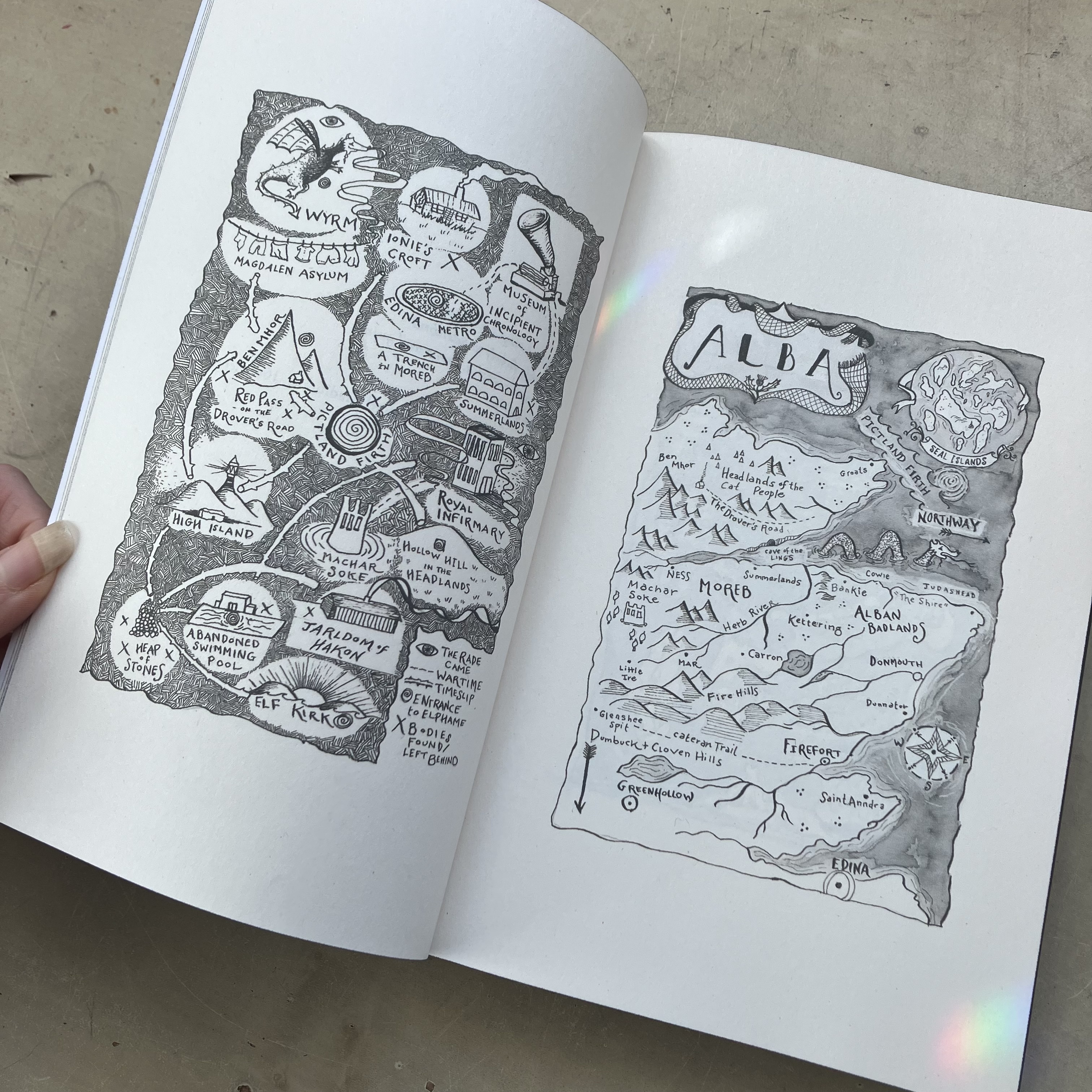
I began to create maps of the alternate Scotland and Seal Islands where the novel takes place. There is also a map that shows how Kára perceives of time—a temporal map. From that grew sketches for chapter headings. Polished versions will be included in the book
The cover is by the wonderful artist who did the illustration for the cover of Ashes and Stones, Iain Macarthur. I told him about the book, sharing art from Vail Myers and Remedios Varo that influenced me. What he has created fits the book perfectly.