Films that Inspired Widdershins

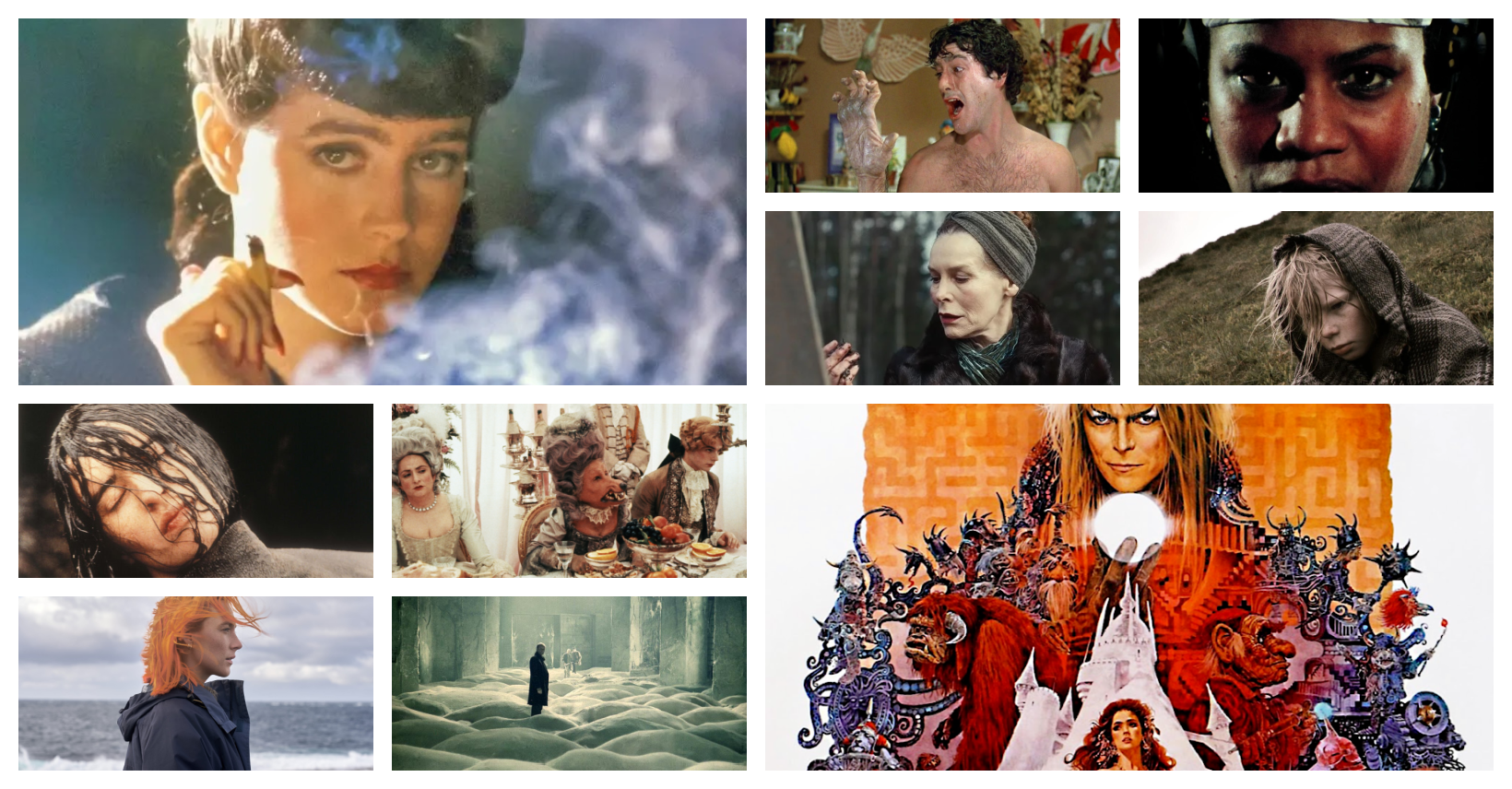
Get the popcorn ready and fire up the telly, because I’m proposing a Widdershins film fest! Some films, like the Outrun, I watched while editing the Widdershins, while the effect of others I only see now that the book is written.
Valhalla Rising (2009)

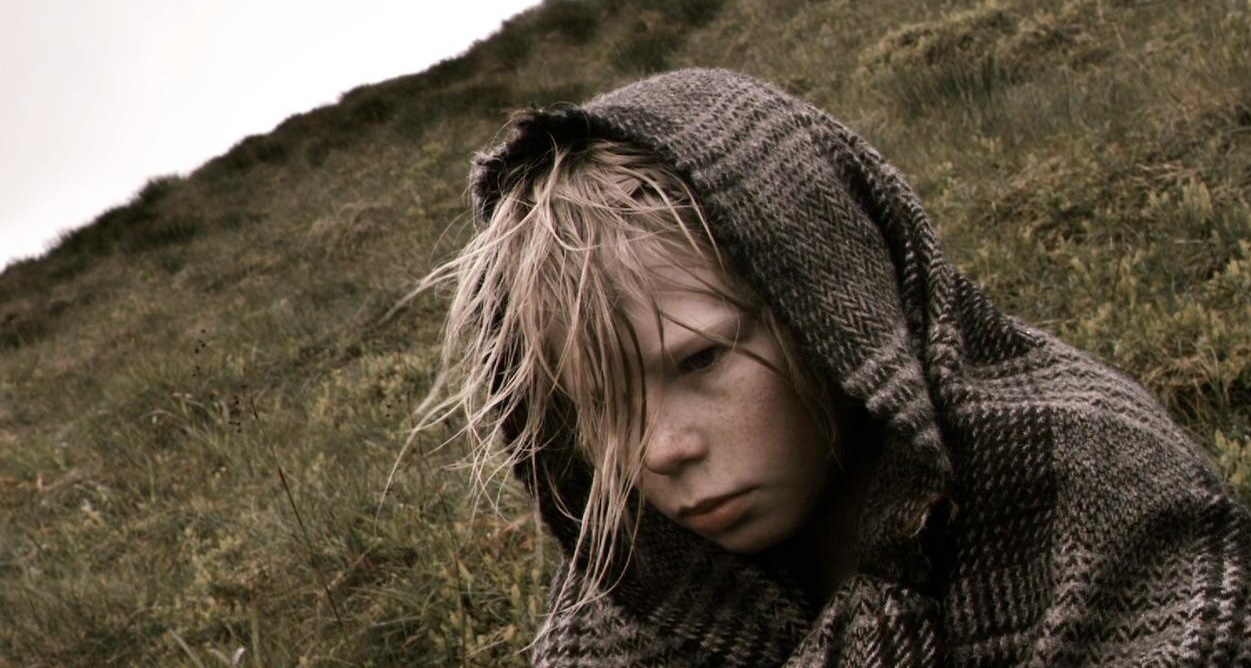
Otherworldly & transportive Viking Age adventure. The stark cosmology of Old Norse lore is rendered with surreal daring. Watching it, I felt I had been immersed in another way of thinking about fate and the gods.
The Company of Wolves (1984)

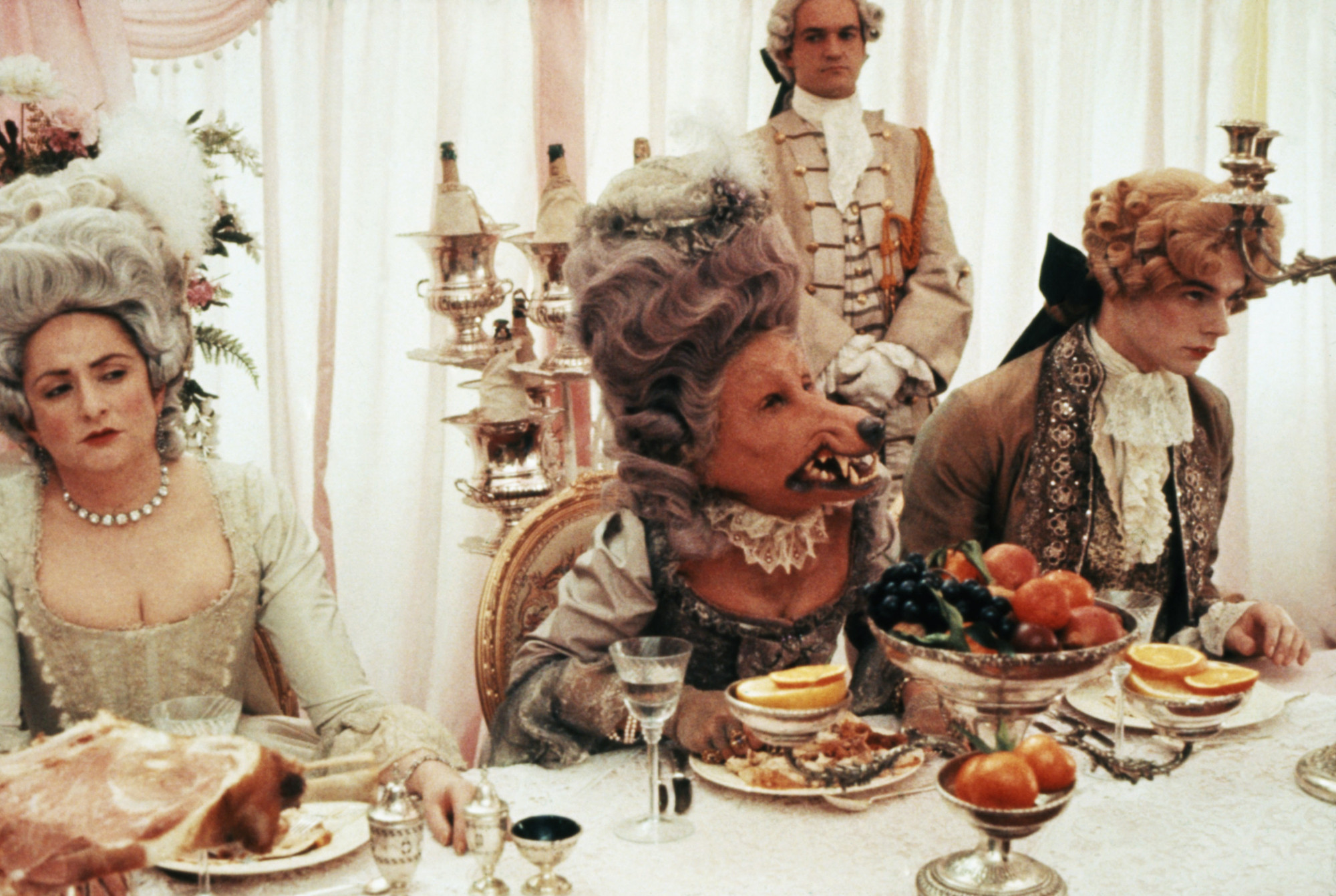
An adaptation of Angela Carter’s short story of the same name in her masterwork, The Bloody Chamber. She wrote the script; its stories-within-stories, funhouse mirror still fascinates. I think I have absorbed this mode of telling into my DNA at this point. The special affects—before CGI—are as terrible and uncanny as the first time I watched them as a teen.
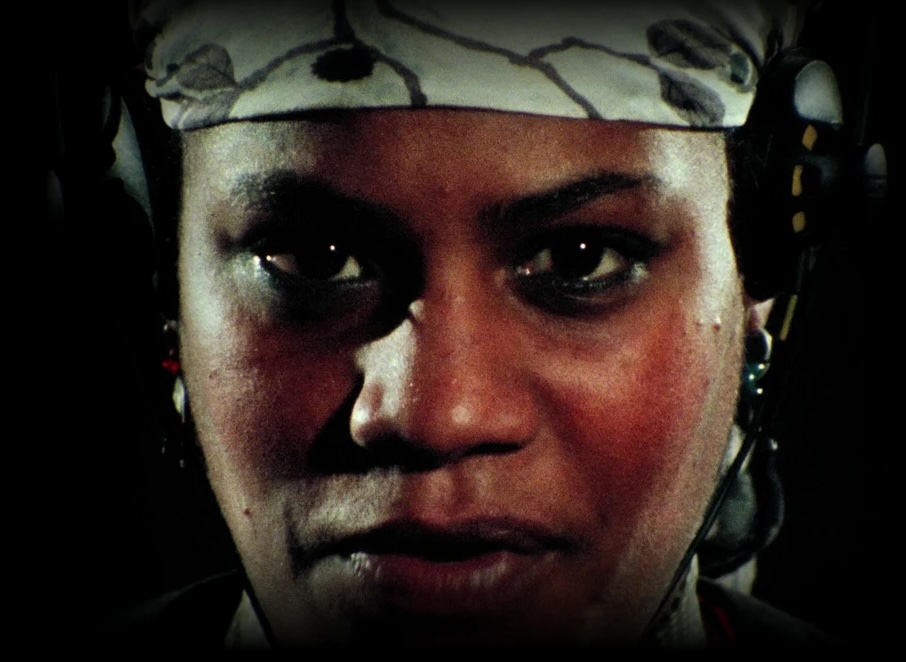
Born in Flames, (1983)

I saw this film about intersectional feminist revolution as a young woman healing from SA. Let me tell you it was CATHARTIC. In the world of this film revolution as not only necessary but possible. It also frightened me, as any powerful thing might.
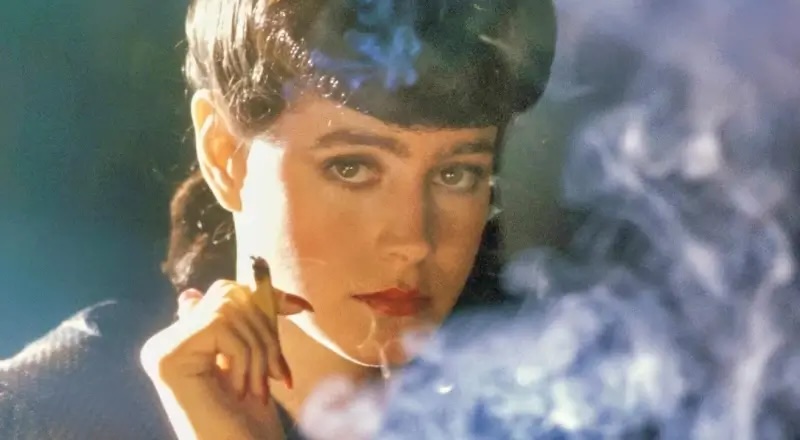
Bladerunner (1982)

I have watched this film over and over, and always find something new in it. While writing Widdershins, I returned to images of Pris and Rachel and other replicants. Their liminality and insistence on their own sentience and integrity inspired me. In many ways Kára, the pelt-less selkie doomed to be not-quite-human, was inspired by them.
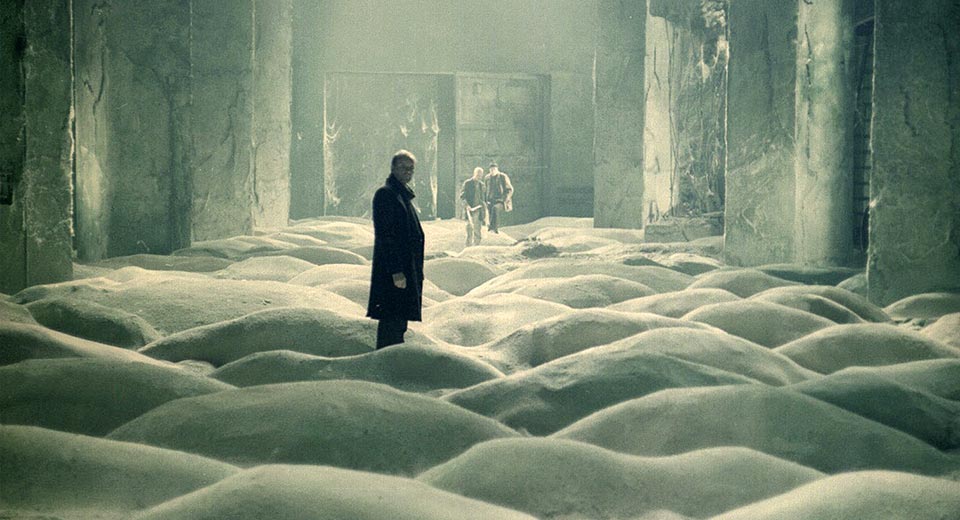
Stalker (1979)

Andrei Tarkovsky’s genre-bending film set in a post-apocalyptic Russia is poetic dreamscape. The Stalker is an illegal guide in the ‘zone,’ a post-nuclear or perhaps a site of alien tech, where laws of physics are altered. The Stalker guides a writer and professor through the wilderness—a place where human civilization has been reclaimed by nature and by something else.
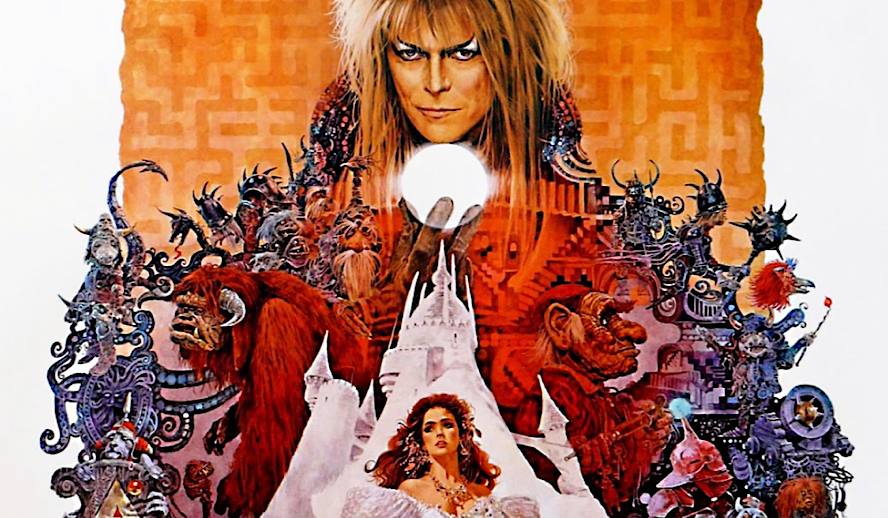
Labyrinth (1986)

Jim Henson & Brian Froud’s manifestation of fairyland and fairy logic is absolutely foundational for all fairy fic that came after, including mine.
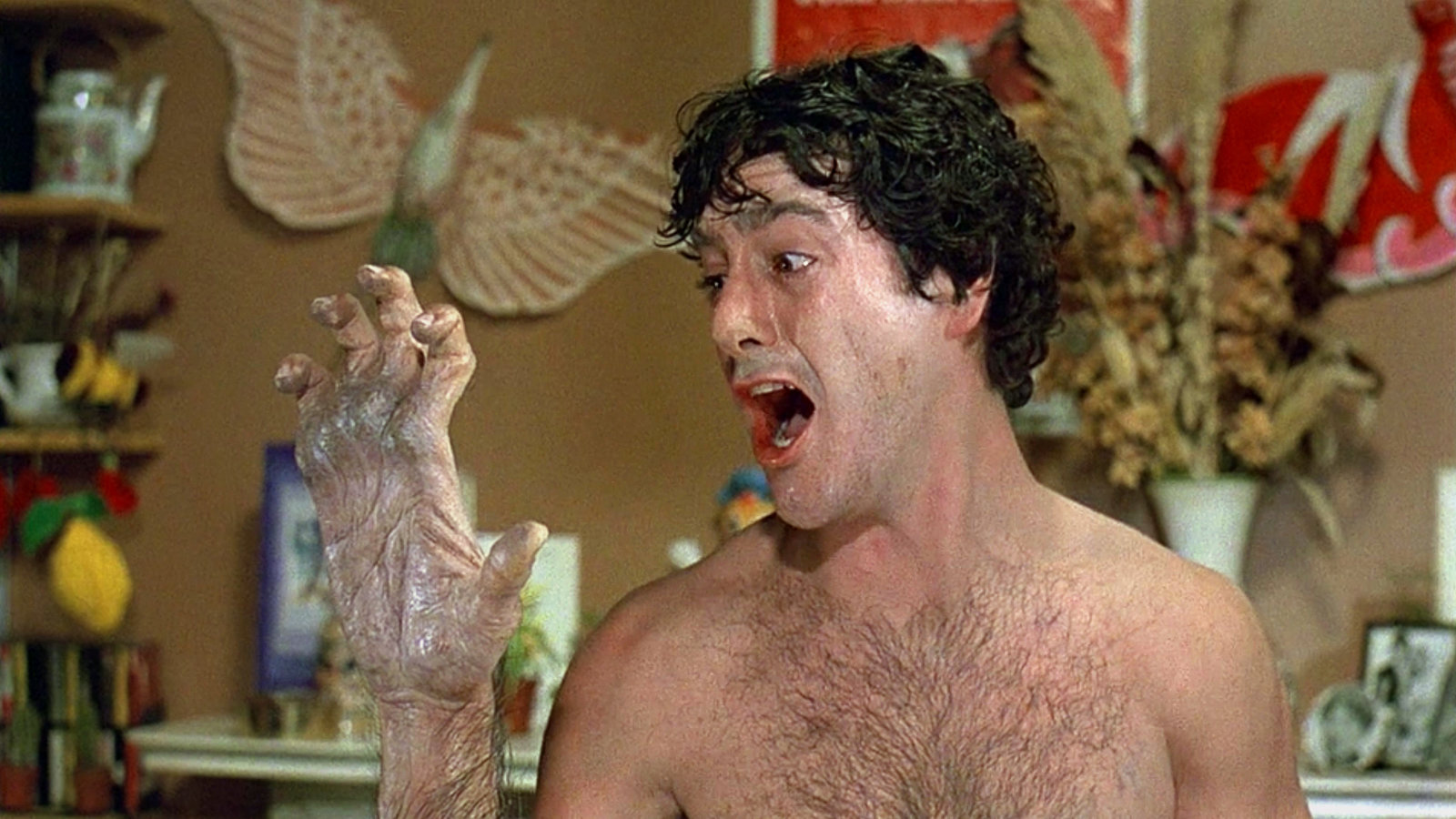
American Werewolf in London (1981)

One of my favourite horror films, when I rewatched it recently I was struck by the kindness threaded throughout the film’s beauty-and-the-beast sub plot. As I wrote and revised Widdershins, it was this thread of kindness I polished, burnishing it until it shone as the red thread of hope through the book.
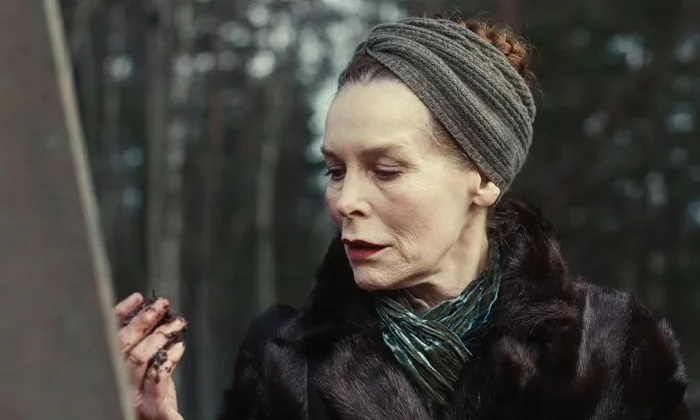
She Will (2021)

I have written before about this outstanding horror film exploring the psychogeography of the Scottish landscape, marked in places by the historical trauma of the witch hunts. It is a film about healing—the land, mind and body, but stripped of the corrupting force of ‘wellness.’ This is a path well forged through Ashes & Stones. I only saw this film after Ashes & Stones came out, but wished I’d seen it while I was writing the book. Perhaps I would have felt less alone in my task.
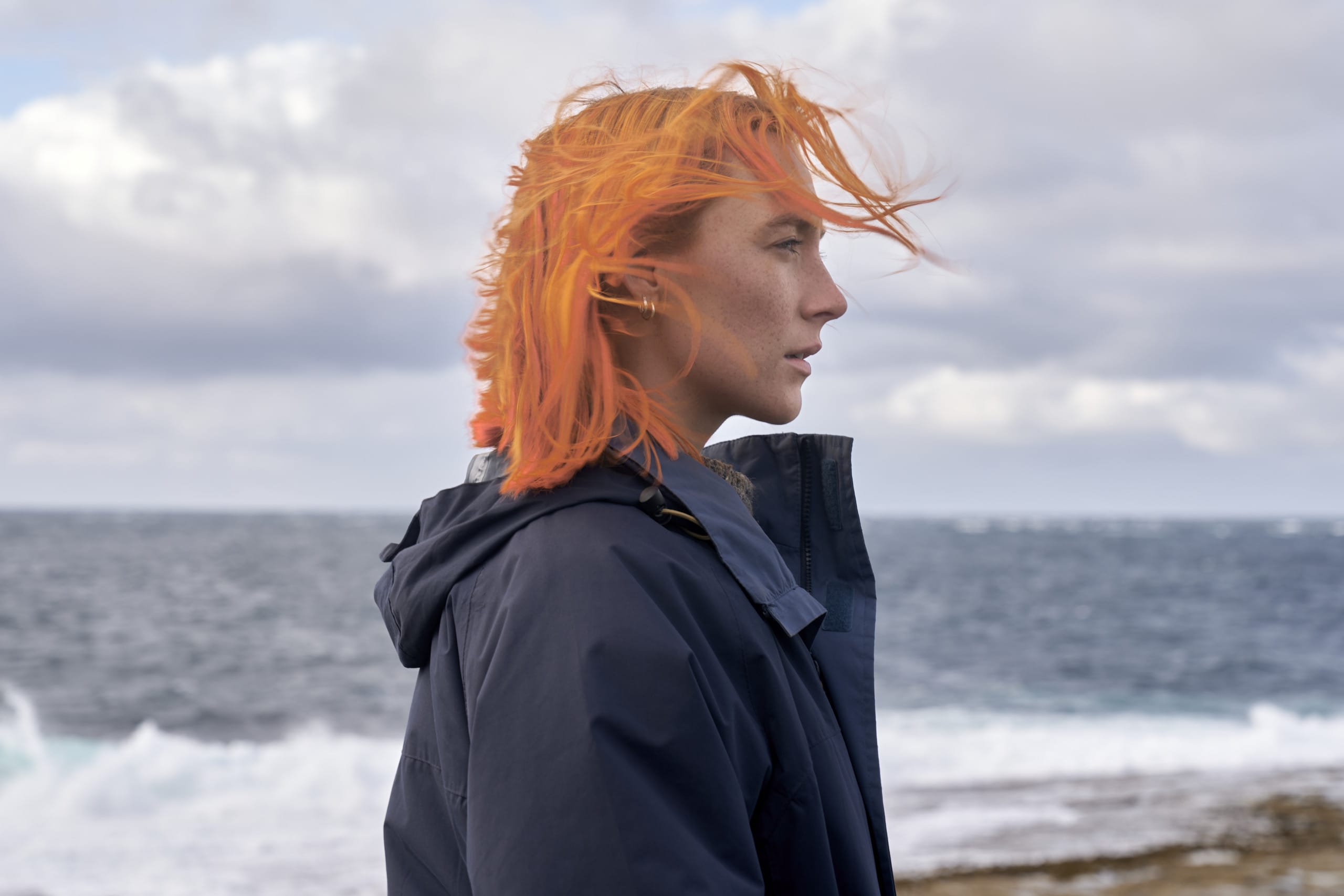
The Outrun (2024)

A beautiful rendition of Amy Liptrott’s outstanding memoir. This is an accurate portrait of the severity and mystery of Orkney, and what it feels like to live here. I fear the idea of Orkney as a ‘healing place’ might become a cliche now, and yet there’s something here that calls to me and others like me. The sense of belonging and place evoked in both the film and the book, as well as the pull of the land itself is absolutely the inspiration for Widdershins. As Steph, the chronically ill revolutionary in Widdershins, says, ‘…some people just have the islands written all over them—they mark us. We wear that island-longing like a second skin.’
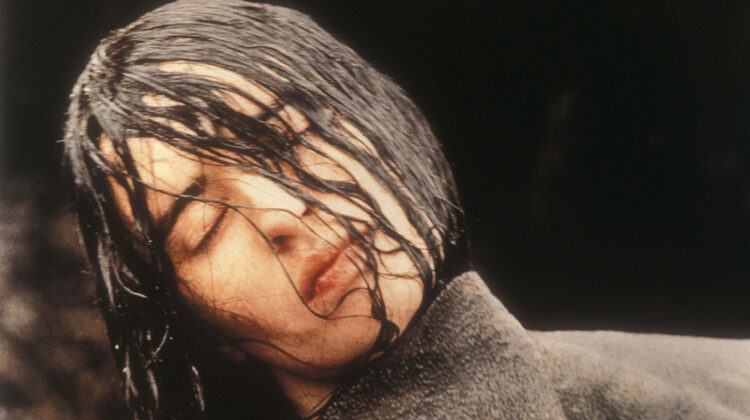
The Secret of Roan Inish (1994)

This Irish selkie story shares aspects of Orcadian lore, and the original novel was set in Scotland. I saw the film as a young woman. My father actually told me about it. In a rare moment of perception he said, ‘this film is for you.’ I watched it 11 years before migrating to the UK, and 30 years before writing my own story of Seal Islands.

memory, femicide, and the useful dead 🪶

revisiting the Janet Horne Memorial Stone on the full moon 🌝

Last month I watched She Will, an impressionistic, feminist horror film about Scottish witches set in the Highlands. Aging film star Veronica Ghent travels to a remote location to convalesce and instead finds herself transformed by the darkness she encounters there.

I missed this film when it came out in 2021, but it’s a cinematic companion to my book about how Scotland remembers the witch hunts. The book is called Ashes & Stones. She Will is a film about memory, femicide and the ‘uses’ of the dead. It is also about confronting past trauma—both personal and historical— while dismantling toxic, predatory masculinity. In the film, as in life, these things happen simultaneously. Yet their relationship remains mysterious in the film: ashes billowing through the air are called ‘witch feathers’ by the locals, and the lore surrounding the land claims the death of women hundreds of years ago gives the earth curative properties.

1940s postcard of the Lairig Ghru Pass in the forest where the film takes place. Printed in Dundee—found on @cornovia_postcards@mstdn.business on Mastodon.

I am intimately familiar with the filming locations of She Will. In the ‘art class scene’ Veronica sits with her easel beside Loch an Eilein in the forest of Rothiemurchus. A boulder inscribed with witch marks lies behind her, off camera. Did the film makers know this? There are legends surrounding the atmospheric, 14th century castle on the island. There was once an underwater, zig-zag causeway linking the island to the shore, though this has never been found. Legend also claims it is the ancestral seat of the Shaw clan in the 14th century—if one believes these things.*

The castle on the island in Loch An Eilein. You could say I was visiting relatives—taken on Christmas Day, 2019

I loved the film’s powerful vision of bonds women share with both the living and dead. It’s also a delicious tale of revenge. I only wished it were longer, and that the character of Desi Hatoum, in a show-stopping performance by Kota Eberhardt, had been given more of a story.

The Janet Horne Memorial Stone in Dornoch is part of the film, transported to a woodland setting. I wrote a piece about the Janet Horne Memorial stone for the Association for Scottish Literature’s online journal, The Bottle Imp in 2019. Did the film makers read it? There is probably no way to know, but I like to think they did.

As part of my research for Ashes & Stones, I repeatedly visited the Janet Horne Memorial Stone. Each time I visited, it was different, surrounded by different tributes that have increased since the book was published. Janet Horne is not the name of the woman who supposedly died near the stone’s present location. Everything we know of her vague story was written down one hundred years after her death, in the notes of English occupiers who wanted to portray Highland Scots as superstitious, backward and unable to rule themselves. She is supposedly the ‘last witch’ executed in Scotland but there is no ‘true story’ of Janet Horne’s life or death, only invention.

In my research I found many photos of the stone through the ages, some from the Dornoch Historical Society and others on the internet without attribution. Here is a gallery.


*This notion is put forth in LOCH AN EILEIN AND ITS CASTLE by Alex Inkson M’Connochie. in The Cairngorm Club Journal 014, 1900. 

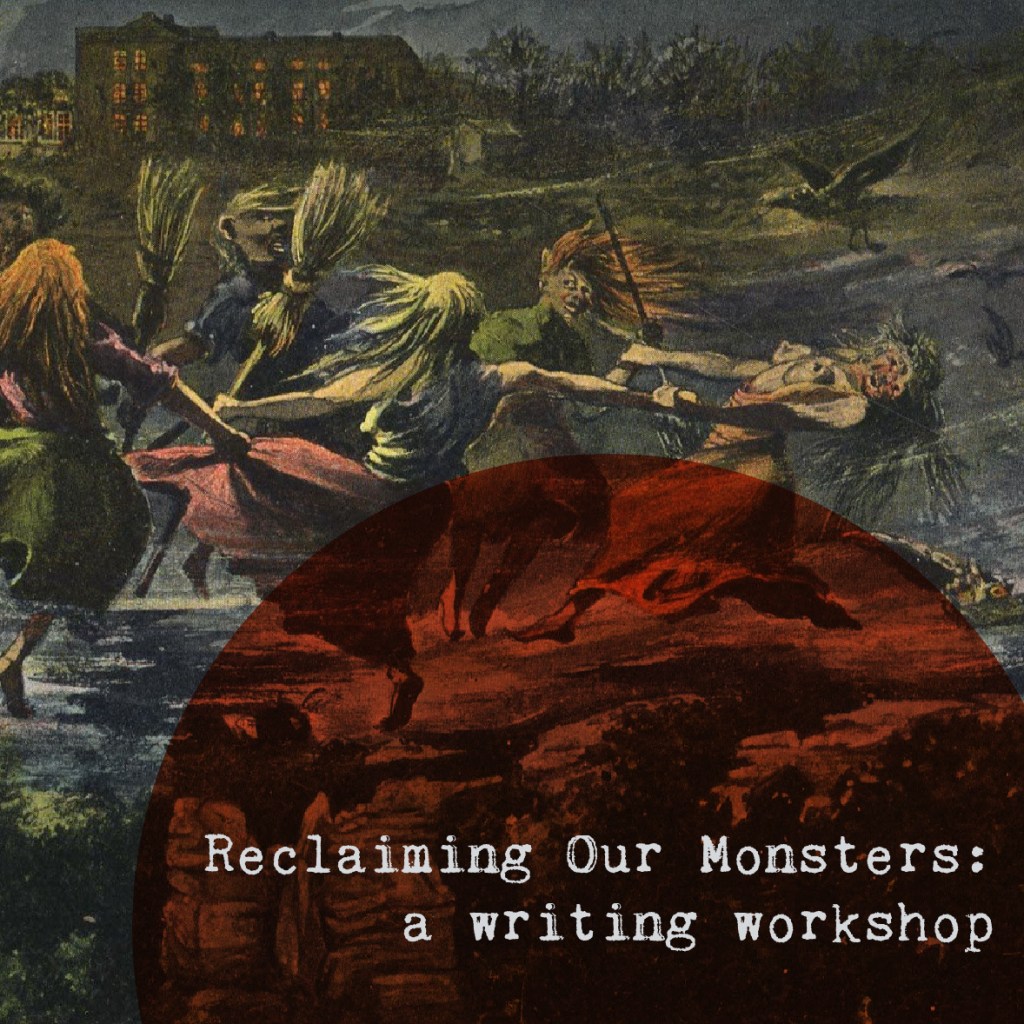
Reclaiming Our monsters: A writing workshop

Online via Zoom, April 30th, 7pm gmt Tickets are £25 available from Eventbrite

In this two hour workshop we’ll explore the monstrous through an intimate, personal perspective. We’ll embrace the persona of the outsider, the not-quite-human, using subversive world-building, and writing through the eyes of the cursed, the spellbound, the exiled. 

April 30th is the second Halloween of the witches’ calendar. The veil is thin, the dead walk among us, werewolves are born and all good witches fly to the Brocken. 

Let’s celebrate and write stories together. 

For this workshop you’ll need a pen, paper and a six sided die. 

 This workshop is driven by feminist ideas, reworking the monstrous into new empowering guises—but also a way to explore folk horror as a wider genre with space for women and non binary people. Every workshop I design is an offering of community, creative fuel and fire to the writers and makers around me. And this one is GONNA BE HELLA FUN. 

Enroll now.