A limited number of signed copies of Ashes & Stones are available directly from me, here.
Praise for Ashes & Stones from Readers, critics and fellow writers:
Totally unputdownable —Seáinín McKenna
Really recommend this fantastic book by @northseawitch…it’s breathtaking. On the memorialisation of those executed for witchcraft in Scotland and the politics surrounding their exploitation for the purpose of dark tourism. We need more work like this!
–Ben Nicholson, Warden of the Tower of London
Allyson Shaw’s Ashes & Stones is a remarkable book, one I imagine I will return to over the years when I want to be reminded of how magic works in literary form.
—Ariel Marken Jack, Songs from a River’s Edge
…attentive and reverant, grounded in place and presence…a book that listens as much as it tells. The lives of seventeenth-century women resonate alongside those of modern women navigating memory, inheritance, and belonging…an ongoing act of remembrance—one that invites readers to choose their ancestors consciously and responsibly….reminding us that landscapes remember even when official histories forget.
—Chalres Martin, bestselling author of The Mountain Between Us.
Shaw passes over centuries-old footsteps like fingers on Braille; the lilt of her voice on the page is lyrical magic.
–The New York Times
…atmospheric, scholarly – and gripping – Ashes & Stones… gives life to many of the women burned as witches in Scotland. Shocking and important – it made me realise this hasn’t been done before, nor have I questioned why until now.
–Laline Paull, author of Pod and The Bees
Ashes & Stones is its own reminder of a dark period in Scotlands’s past, but also carries a warning for the present day…This is not the book you think it is, and it is all the better for it.
–Alistair Braidwood, Snack Magazine
A beautiful, tragic, life-affirming book weaving Scottish witch history with lived experience — more people need to read it. 🖤 @honestlybookedjulie📚 on booktok
It’s a brilliant read. Lyrical and haunting in no short order. Definitely recommend 🥰 @BrynhildrSigurdsbane
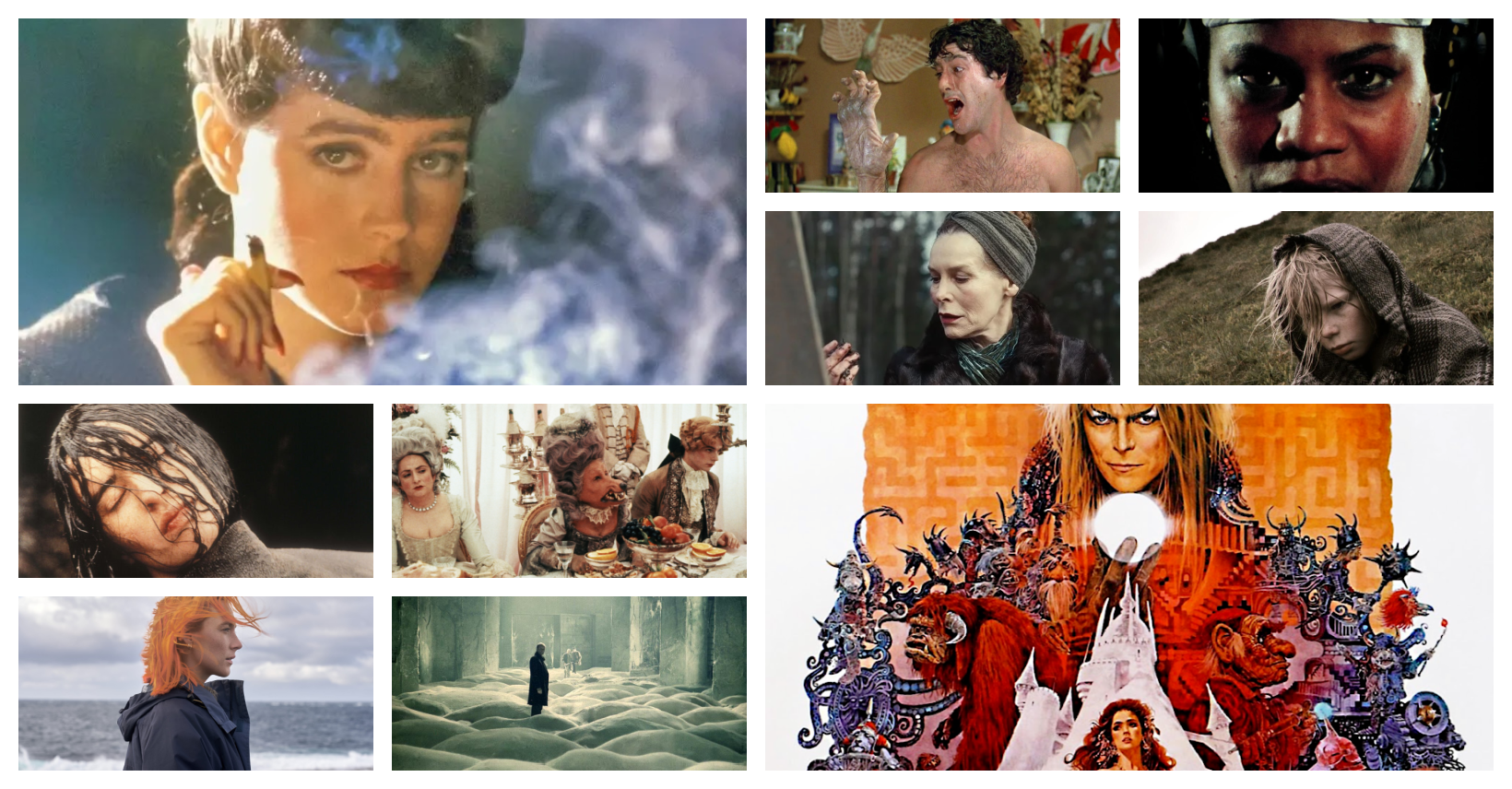
Get the popcorn ready and fire up the telly, because I’m proposing a Widdershins film fest! Some films, like the Outrun, I watched while editing the Widdershins, while the effect of others I only see now that the book is written.
Valhalla Rising (2009)
Otherworldly & transportive Viking Age adventure. The stark cosmology of Old Norse lore is rendered with surreal daring. Watching it, I felt I had been immersed in another way of thinking about fate and the gods.
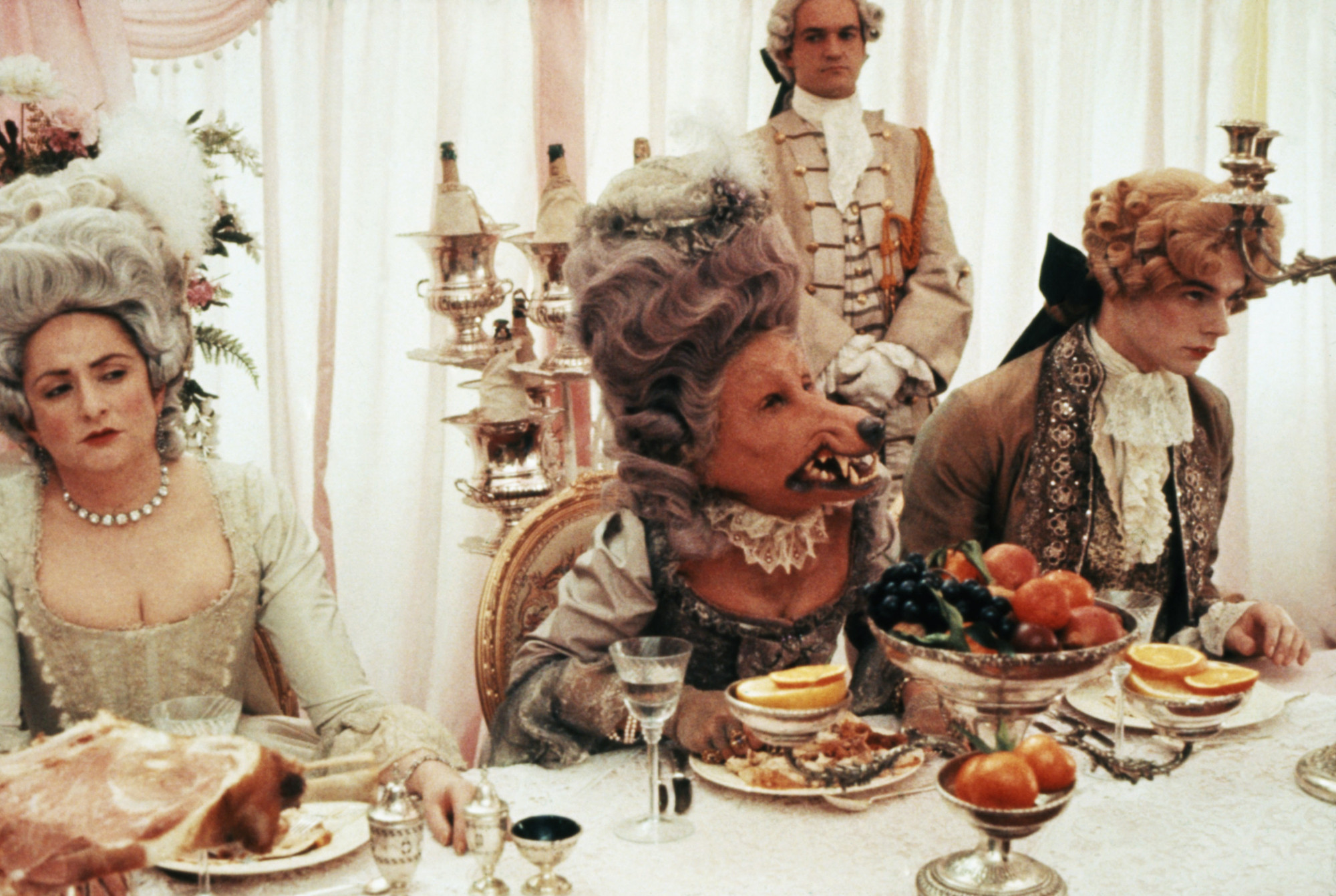
The Company of Wolves (1984)
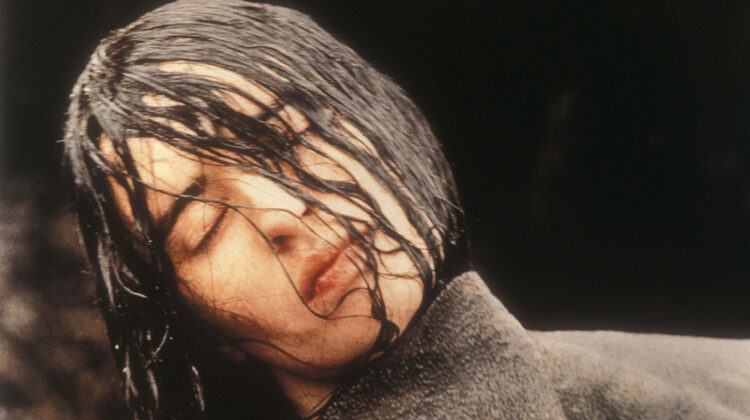
An adaptation of Angela Carter’s short story of the same name in her masterwork, The Bloody Chamber. She wrote the script; its stories-within-stories, funhouse mirror still fascinates. I think I have absorbed this mode of telling into my DNA at this point. The special affects—before CGI—are as terrible and uncanny as the first time I watched them as a teen.
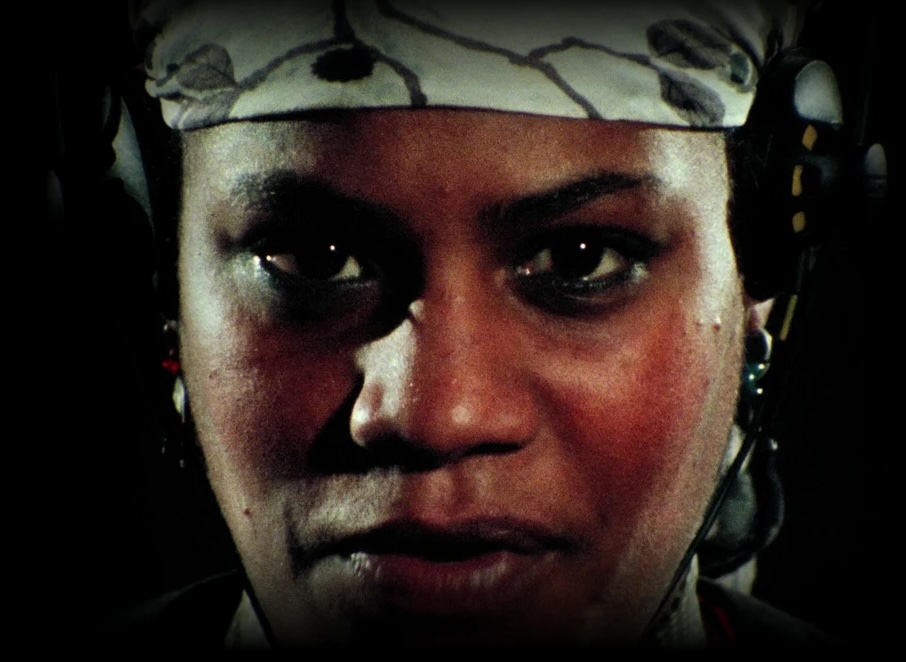
Born in Flames, (1983)
I saw this film about intersectional feminist revolution as a young woman healing from SA. Let me tell you it was CATHARTIC. In the world of this film revolution as not only necessary but possible. It also frightened me, as any powerful thing might.
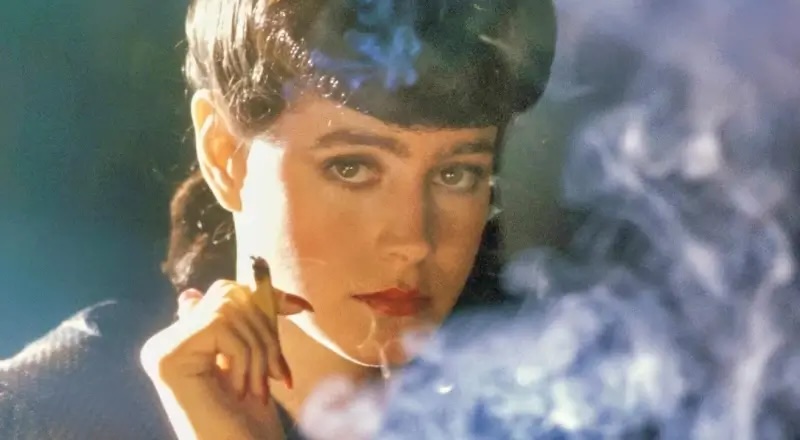
Bladerunner (1982)
I have watched this film over and over, and always find something new in it. While writing Widdershins, I returned to images of Pris and Rachel and other replicants. Their liminality and insistence on their own sentience and integrity inspired me. In many ways Kára, the pelt-less selkie doomed to be not-quite-human, was inspired by them.
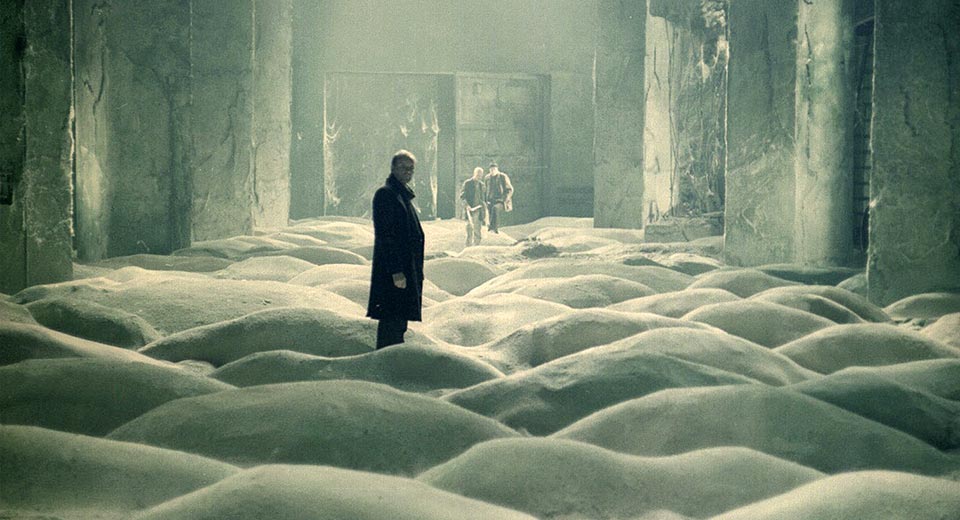
Stalker (1979)
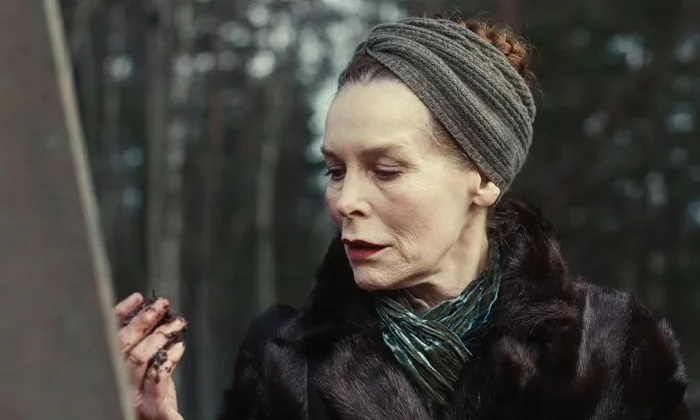
Andrei Tarkovsky’s genre-bending film set in a post-apocalyptic Russia is poetic dreamscape. The Stalker is an illegal guide in the ‘zone,’ a post-nuclear or perhaps a site of alien tech, where laws of physics are altered. The Stalker guides a writer and professor through the wilderness—a place where human civilization has been reclaimed by nature and by something else.
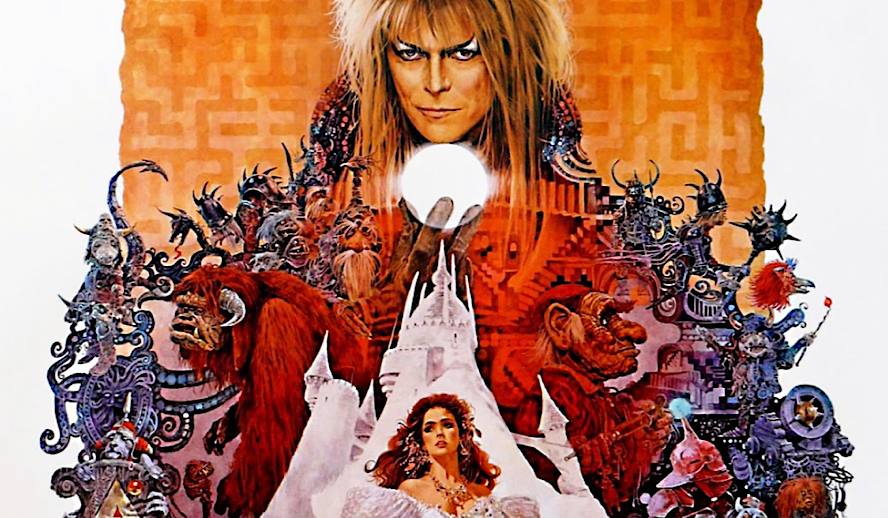
Labyrinth (1986)
Jim Henson & Brian Froud’s manifestation of fairyland and fairy logic is absolutely foundational for all fairy fic that came after, including mine.
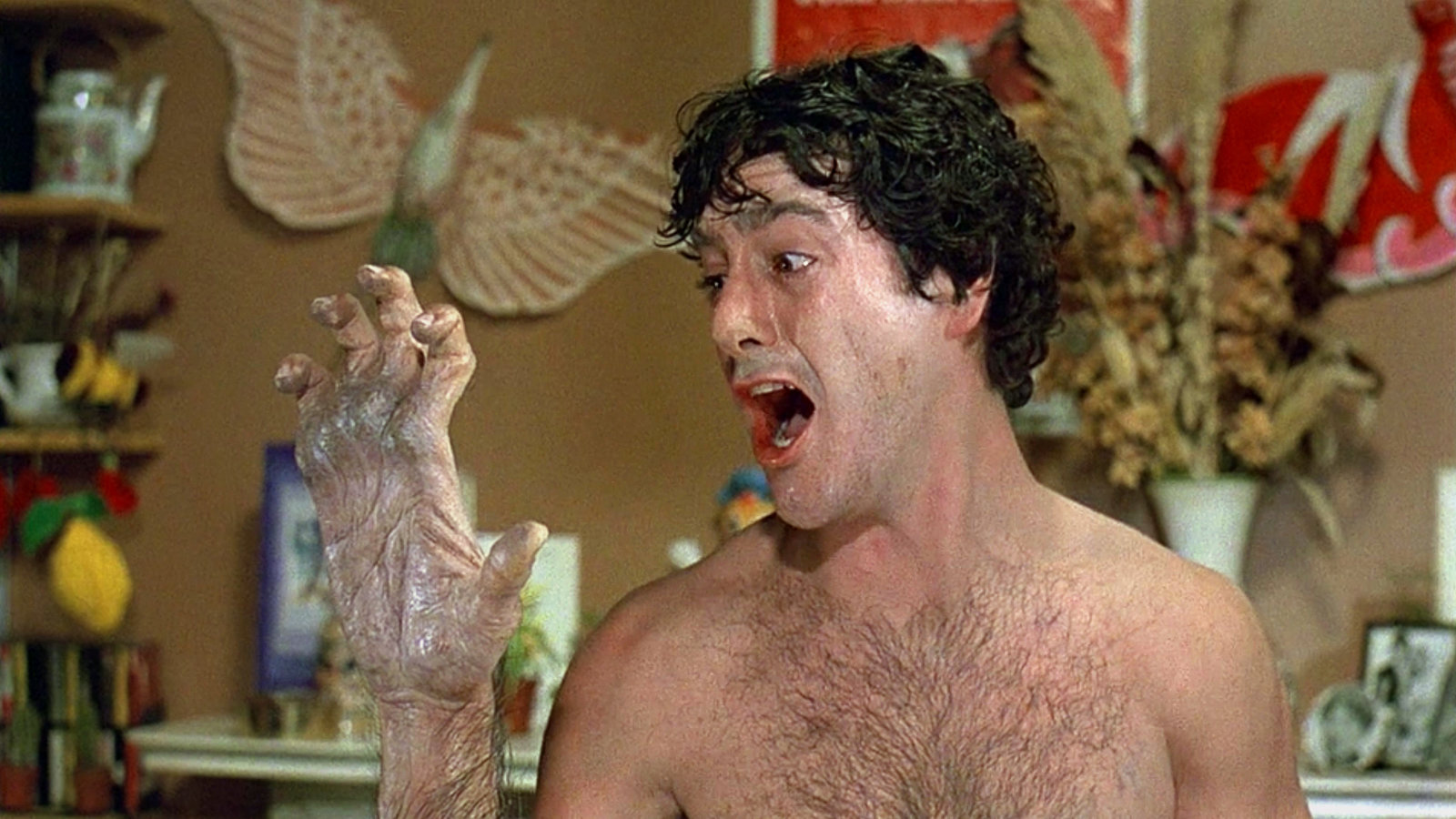
American Werewolf in London (1981)
One of my favourite horror films, when I rewatched it recently I was struck by the kindness threaded throughout the film’s beauty-and-the-beast sub plot. As I wrote and revised Widdershins, it was this thread of kindness I polished, burnishing it until it shone as the red thread of hope through the book.
She Will (2021)
I have written before about this outstanding horror film exploring the psychogeography of the Scottish landscape, marked in places by the historical trauma of the witch hunts. It is a film about healing—the land, mind and body, but stripped of the corrupting force of ‘wellness.’ This is a path well forged through Ashes & Stones. I only saw this film after Ashes & Stones came out, but wished I’d seen it while I was writing the book. Perhaps I would have felt less alone in my task.
The Outrun (2024)
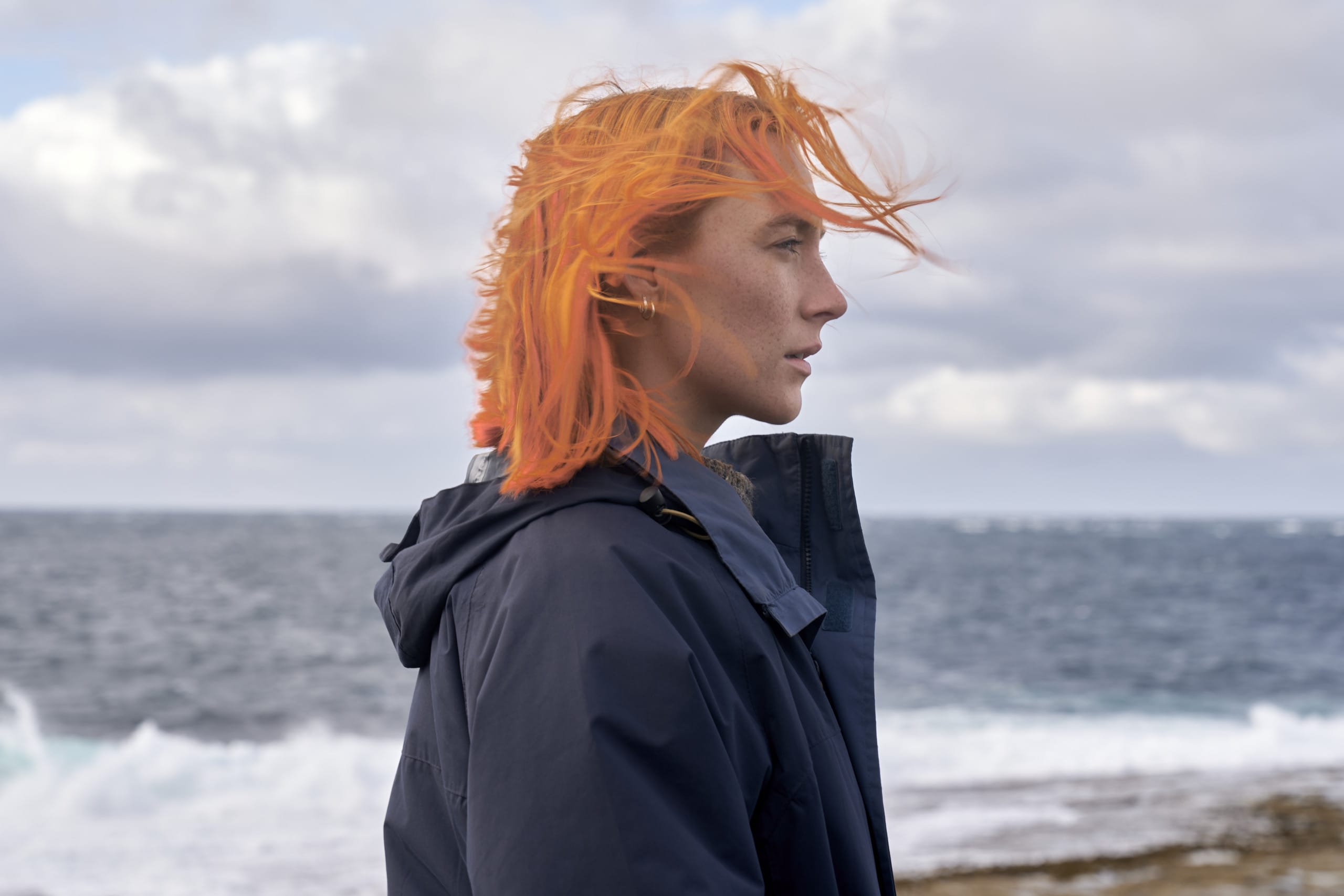
A beautiful rendition of Amy Liptrott’s outstanding memoir. This is an accurate portrait of the severity and mystery of Orkney, and what it feels like to live here. I fear the idea of Orkney as a ‘healing place’ might become a cliche now, and yet there’s something here that calls to me and others like me. The sense of belonging and place evoked in both the film and the book, as well as the pull of the land itself is absolutely the inspiration for Widdershins. As Steph, the chronically ill revolutionary in Widdershins, says, ‘…some people just have the islands written all over them—they mark us. We wear that island-longing like a second skin.’
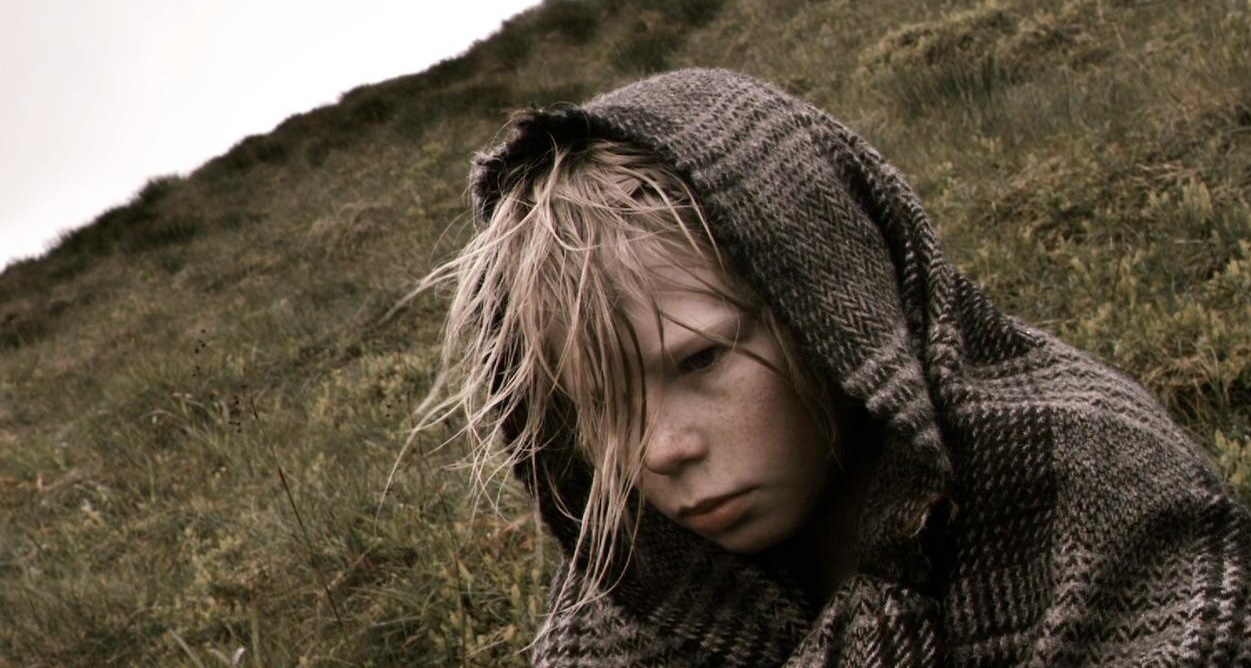
The Secret of Roan Inish (1994)
This Irish selkie story shares aspects of Orcadian lore, and the original novel was set in Scotland. I saw the film as a young woman. My father actually told me about it. In a rare moment of perception he said, ‘this film is for you.’ I watched it 11 years before migrating to the UK, and 30 years before writing my own story of Seal Islands.
After the publication of Ashes & Stones I was busy moving to Orkney. During this chaos, a story began to emerge—a woman’s story. She was insistent and ever-changing, spanning millennia. I called her Kára, a valkyrie’s name, a reincarnated being attested in an Old Norse poem in the Poetic Edda. If anyone could show me how to rise from the ashes of despair—it was Kára. Her name in Old Norse means wild and stormy; she was Orcadian through and through, but from way back.
I began to write her tale down, incorporating what I had come to know from my extensive research into Scottish fairy folklore demonised during the witch hunts.
I wanted a witch book that wouldn’t dwell on persecution and suffering. I wanted a witch book that wasn’t vapidly escapist fantasy—plucking the good bits from women’s stories and leaving the rest. I wanted a witch book that wouldn’t trigger me, so I wrote one.
I also wanted complete artistic and editorial control of this book. Could I manifest this thing into the world in direct relationship to my readers? And then I made a plan to make this possible.
I will be running a Kickstarter for the book early next year, with a limited edition hardback and ebook. You—my wonderful subscribers—will be the first to hear about it!
I began to create maps of the alternate Scotland and Seal Islands where the novel takes place. There is also a map that shows how Kára perceives of time—a temporal map. From that grew sketches for chapter headings. Polished versions will be included in the book
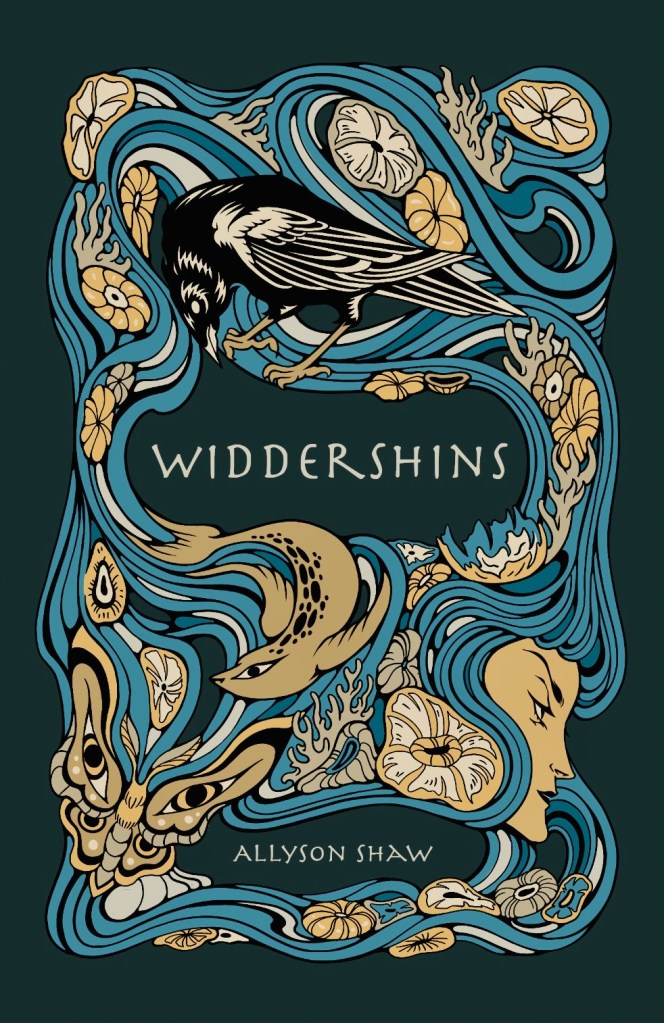
The cover is by the wonderful artist who did the illustration for the cover of Ashes and Stones, Iain Macarthur. I told him about the book, sharing art from Vail Myers and Remedios Varo that influenced me. What he has created fits the book perfectly.
At the beginning of the month, the British newspaper The Observer ran a damning expose of author Raynor Winn. Her memoir The Salt Path is a ‘true story’ of a couple made homeless through property investments gone bad. The book recalls their survival walking hundreds of miles while her husband Timothy, or “Moth” in the books, struggles with corticobasal degeneration, a fatal chronic illness.
The publishing industry expects pathography as inspiration porn–juicy victimhood redeemed.
Since its publication in 2018, The Salt Path sold over two million copies and birthed a franchise of books where the couple go on long walks in different scenic places, hoping to ‘cure’ Moth. The publication of the fourth book in the series, due out in October, has been postponed.
The Observer article reveals that Winn’s actual name is Sally Ann Walker, and that she embezzled £64,000 from a former employer. At the time of their adventure in homelessness, the couple owned a property in France, still in their possession today. The article even calls into question Moth’s illness.
The Salt Path has always been a deeply ableist story. The redemptive narrative arc is especially toxic to those with chronic illness. ‘Walking off’ illness and the ‘sleeping rough’ cure–as The Salt Path proposes—is implausible and cruel. Yet, the success of this story is no surprise. The publishing industry expects pathography as inspiration porn–juicy victimhood redeemed.
Who doesn’t want a miracle, a triumph over the degeneration of the sick body and inevitable death? What if being cured is simply a question of attitude and right living? Cures involving positive thinking and mind-over-matter are the kind of poison Louise Hay, the author of Heal Your Body: The Mental Causes for Physical Illness and the Metaphysical Way to Overcome Them* and those like her, have disseminated. The Salt Path and the books that come after it propose that poverty and illness can be ameliorated by the right mindset and beautiful scenery—the will triumphs, love triumphs, and there is always a cure if you walk far enough.
At yet, there’s something fatalistic about Moth’s continued walking and sleeping rough, despite being in agony. While reading the books—and I have read them all—I often thought his unquestioning agreement to undertake these feats of endurance was not a plan for survival but a prolonged suicide attempt. The implication that he is healed by his ordeal is perhaps the most egregious lie of the books. It shouldn’t take an exposé to see this, but maybe it takes someone living with multiple, life long chronic illnesses to understand how absurd The Salt Path is.
The scandal of dishonest memoir is nothing new, but this particular ‘truth telling’ feeds the ableist notion that those of us living with chronic illness are fakers. As the British Labour government dismantles state support of disabled people, our survival becomes increasingly precarious. According to dominant ableist attitudes, ours is a culture of grifters. Lies at the heart of The Salt Path feed the myth that the homeless and chronically ill are scammers.
The Salt Path has haunted my own journey to publication, and the book made way for so many books like mine. In 2019, TheSalt Path won the Royal Society of Literature’s Christopher Bland Prize, an award given to authors with first books that are published after the age of 50. Ashes and Stones had the honour of being short listed for this same prize last year. My book has lived in The Salt Path’s shadow, even before publication. While the book proposal for Ashes & Stones was at auction, interested publishers compared it to The Salt Path. One editor asked me to elaborate on my ‘identity as a victim.’ I was told by another that my book could be marketed like Winn’s books. I watched Winn’s journey attentively—were there lessons to be learned?
I never considered myself a memoirist. Originally Ashes & Stones was poetic psychogeography, history and folklore. I was told by publishing professionals that in order to sell Ashes & Stones, I would have to put myself in it, so I chose to tell the truth, but tell it slant.** Any memoirist knows this compromise—success in circuit lies. All memoirists create a persona that tells their tale, just like a fiction writer would. Some readers who have contacted me feel that they know me—sometimes intimately. Who they think I am is a projection, a collaboration between the speaker in the book and their own reading of it. While writing the book, I left people and things out, respecting the wishes of some who did not want to be mentioned. I also deliberately slanted some details in order to be closer to the truth. In Ashes & Stones, I revealed things I’ve told very few people, believing it necessary for the integrity of the narrative. There’s something merciless about the exposure of memoir; I now live with that.
Sceptre, my UK publisher, edited Ashes & Stones brilliantly and for this I am deeply grateful. My book went through a legal read and thorough fact-checking during the editing process; I don’t know if this was the case with Winn’s books. Though Winn’s problematic obscuring of the truth now seems villainous, I also feel for her. There were millions who wanted her grotesque story to be true, and she gave it to them.
Like Winn, I was in my fifties when the publishing industry offered me a deal. I wanted, finally, after decades writing for small presses with little or no pay, to be published by one of the Big Five–global media giants capable of marketing a book and offering an advance. I agreed to add memoir if it meant the book would sell. In the end, I think my vulnerability adds to the immediacy of the women’s stories I tell In Ashes & Stones–I don’t regret including it. I wonder what Winn was asked to add to the book in order to sell it? I am not defending her—but I wonder how much she invented because she really wanted her book to be published. She or her publisher knew the truth wouldn’t sell, so she lied.
I am at heart a fiction writer. I came of age when tell-all memoirs of drug and sex addiction, incest and sexual violence were the rage. I was writing confessional poetry my twenties, but found myself in an unsafe MFA program. I could no longer expose myself in my work, so I began to write narratives about others whose lives resembled my own. I believed that pliant and nuanced fictions could tell truths no memoir ever could. I still believe this. Maybe this is the crux of it: readers are hungry for authenticity, yet truth is uncomfortable. The Industry–now run on a venture capitalist model–isn’t even looking in this direction.
These pedestals are high. When they turn to gibbets, they take others with them.
Part of the mythology of The Salt Path is that Winn wrote it down in a notebook called ‘Salted Blackberries’ and gave it to Timothy, or ‘Moth’ as a souvenir of their walk. The story goes, someone else insisted it should be a book—and the success just happened, with unassuming Winn thrust into meetings with bigwigs at publishing houses and the spotlight of awards and notoriety.
After four books, though, can we call bullsh*t? Anyone who survives the ordeal of publishing even one book has to really, really want be a published author. It is a Faustian bargain involving intense ambition and even greater luck. In my twenties I was close with a writer who went on to be a very famous memoirist indeed—also pursued by scandal. The cusp of her success came with a call from a Big Five publisher with a deal. She said—because it was spring—she would ‘fellate the Easter Bunny’ if it meant she would finally be published. I remember thinking at the time that I would never be like that, and I would look at success differently. If someone hadn’t made it, maybe it was just down to refusal: when the coney of opportunity presented themselves, they just said no.
Just like after the Neil Gaiman scandal broke, it is now easier to say I never liked the books. These pedestals are high. When they turn to gibbets, they take others with them. Readers highly invested in The Salt Path felt the characters were real because it was sold to them as a true story. The emotional pull of the book is Dickensian melodrama of the highest order: an innocent couple thrust into penury endures the callous disregard of an uncaring world even while love grows between them.
I’ve seen a lot of male pundits crowing about how they always thought the premise was iffy, but their wife/aunt/sister/mother loved it. Why is this gendered? Perhaps for some male readers, women nonfiction writers are questionable, anyway–whether we tell the truth or not. Melodrama has always been the secret language of women and marginalised genders. We have told stories full of magic and miracles, enduring love, from one to another, before anyone even thought to write them down. Beyond this philosophical notion, it’s also women who buy books—especially those written by women about women.
But why were so many taken in? The book sits in a collective blind spot that lies somewhere between sympathy, our love of fairy tale, and pity. The base sentimentality of books like The Salt Path allows us to indulge in the suffering of others while offering a palliative delusion on behalf of all those who are sick and poor. This fraudulent hope is meant for the misery of others—never our own.
*In the 1970s Louise Hay refused traditional medical treatment for her cervical cancer, attributing its onset to negative thoughts and unhealed trauma. She claims to have cured herself through forgiveness, reflexology and enemas. Her work expounded the idea that only those with a negative mindset are susceptible to disease.
Sally Ann Walker/Raynor Winn’s rebuttal to the charges, including clinic letters concerning her husband’s diagnosis: https://www.raynorwinn.co.uk/new-page