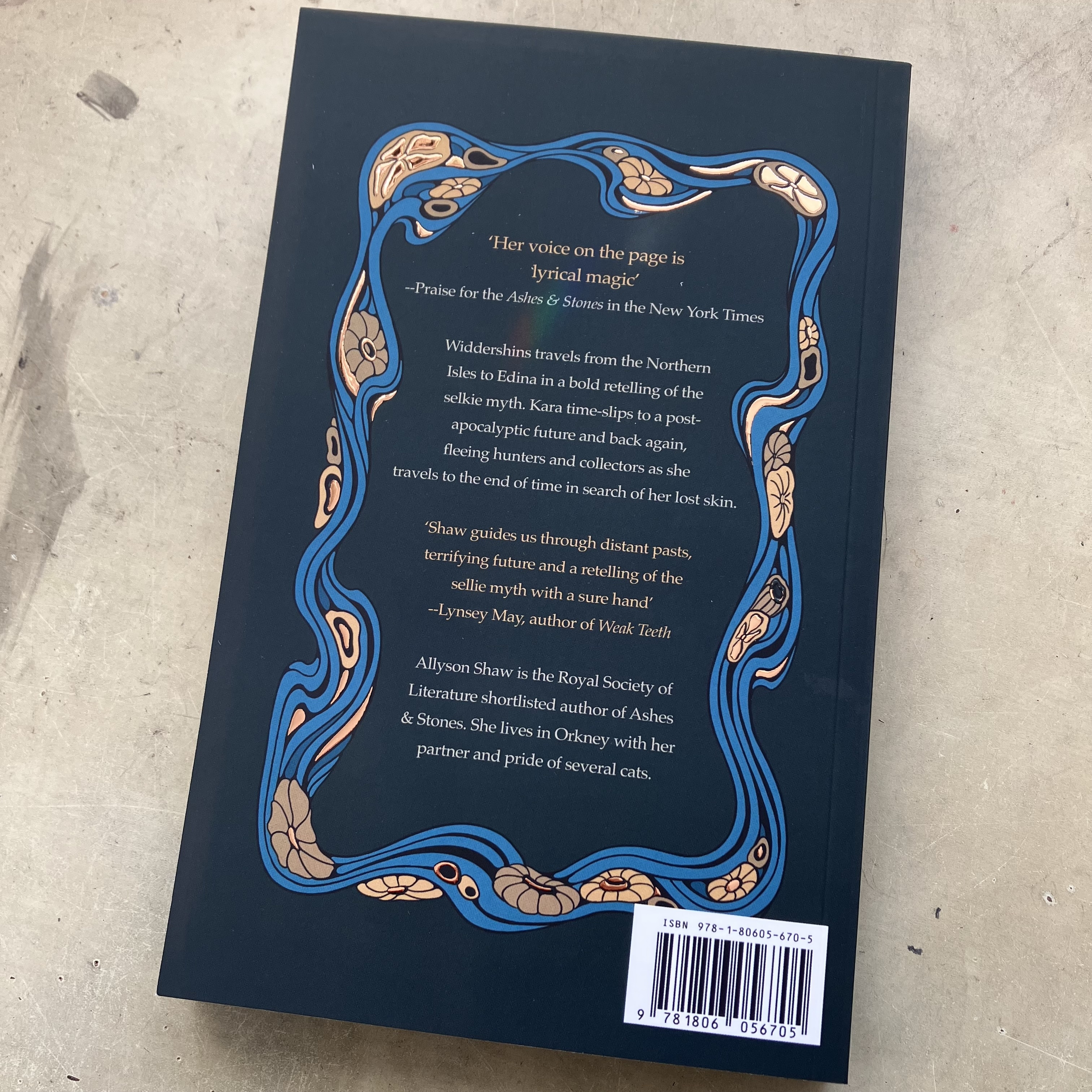
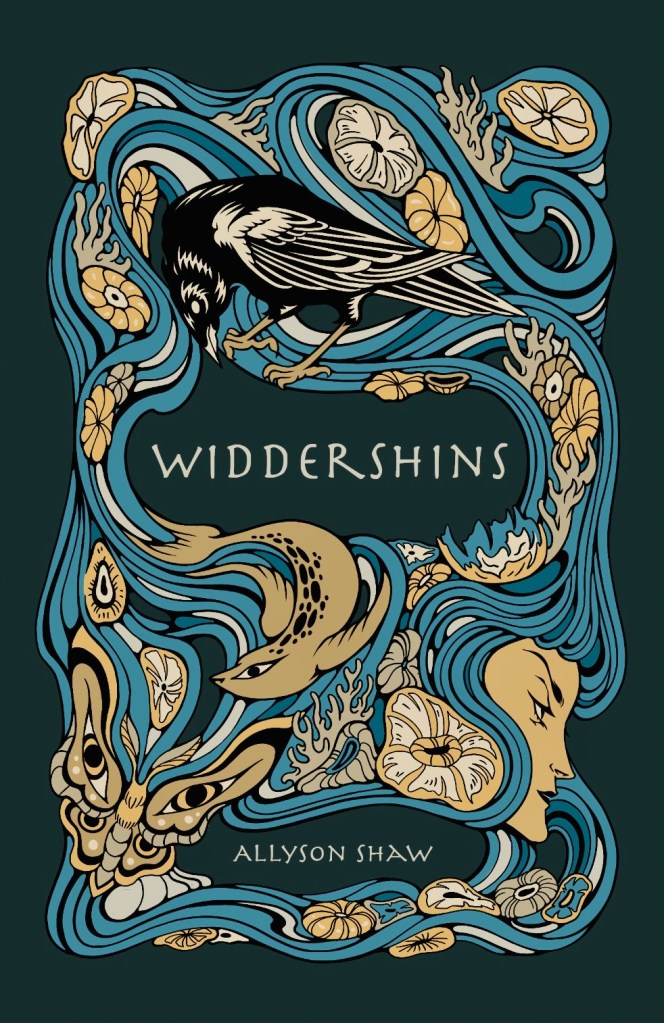
My fantasy novel Widdershins travels from the Northern Isles to Edina in a rollicking, lyrical fairy tale. Kara’s story is vibrant retelling of the selkie myth and an epic tale of connected lives spanning a thousand years. She time-slips through myth and folklore to a post-apocalyptic future and back again, fleeing hunters and collectors as she travels to the end of time in search of her lost skin.
This foiled paperback edition with sprayed edges is exclusive to Feralstrumpet.com
“A bold and absorbing exploration of how a soul – and its story – can survive its tellings and retellings. Over a thousand years and through shifting landscapes, Kára finds and forgets herself in an epic quest for connection and belonging. An intricate fantasy with folkloric roots, Shaw guides us through distant pasts, terrifying futures and a retelling of the selkie myth with a sure hand.”
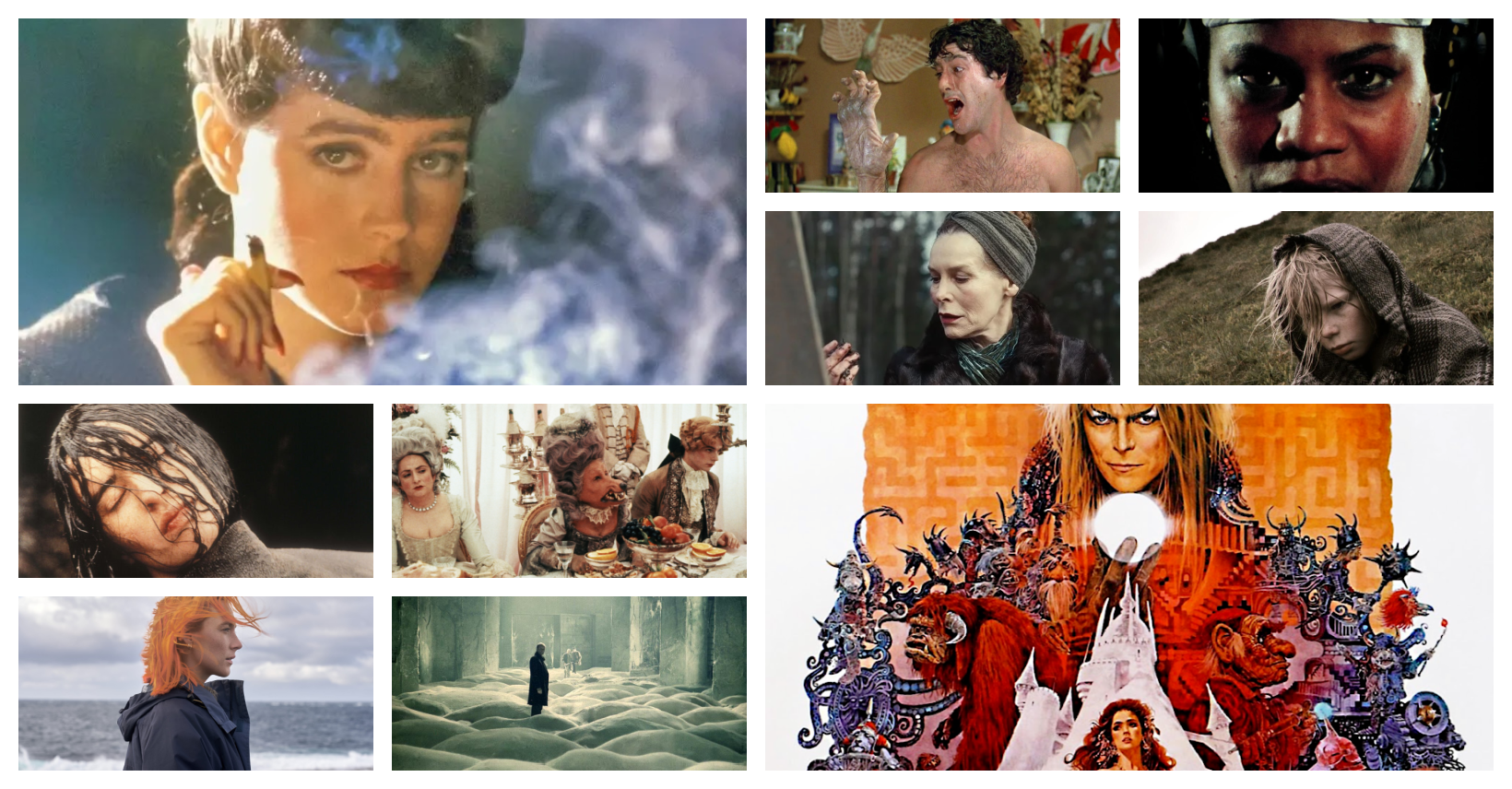
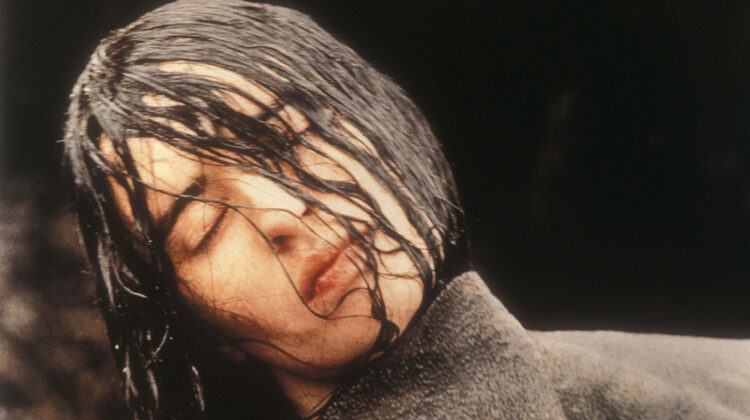
Get the popcorn ready and fire up the telly, because I’m proposing a Widdershins film fest! Some films, like the Outrun, I watched while editing the Widdershins, while the effect of others I only see now that the book is written.
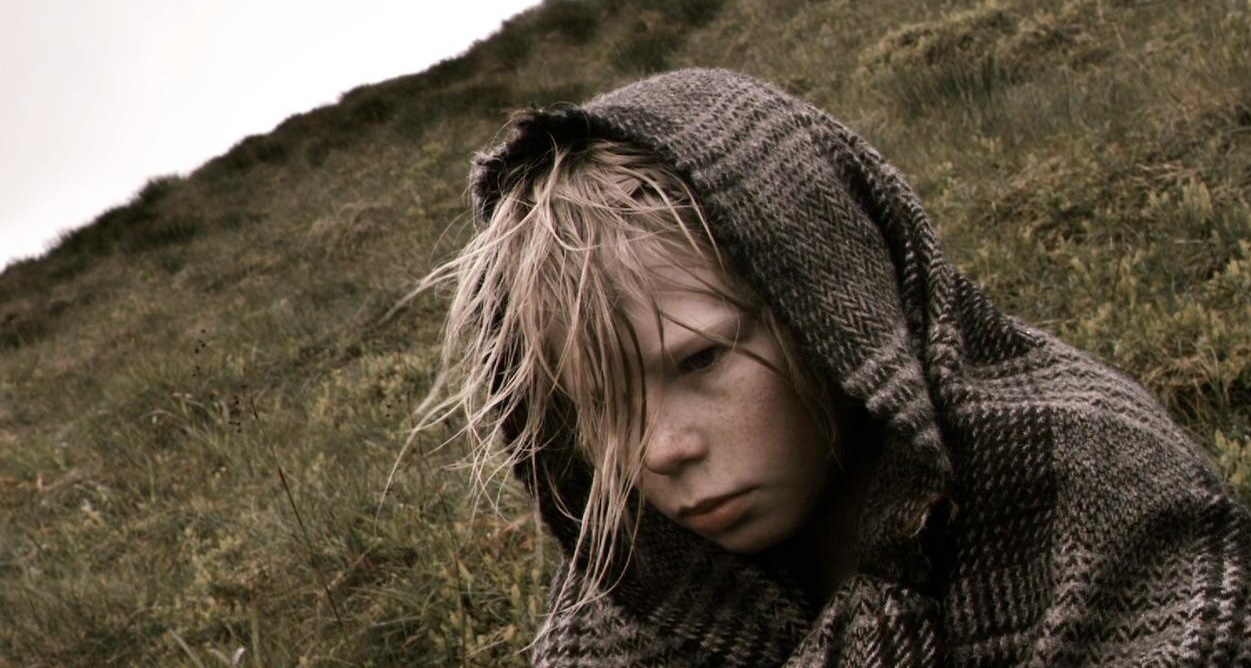
Valhalla Rising (2009)
Otherworldly & transportive Viking Age adventure. The stark cosmology of Old Norse lore is rendered with surreal daring. Watching it, I felt I had been immersed in another way of thinking about fate and the gods.
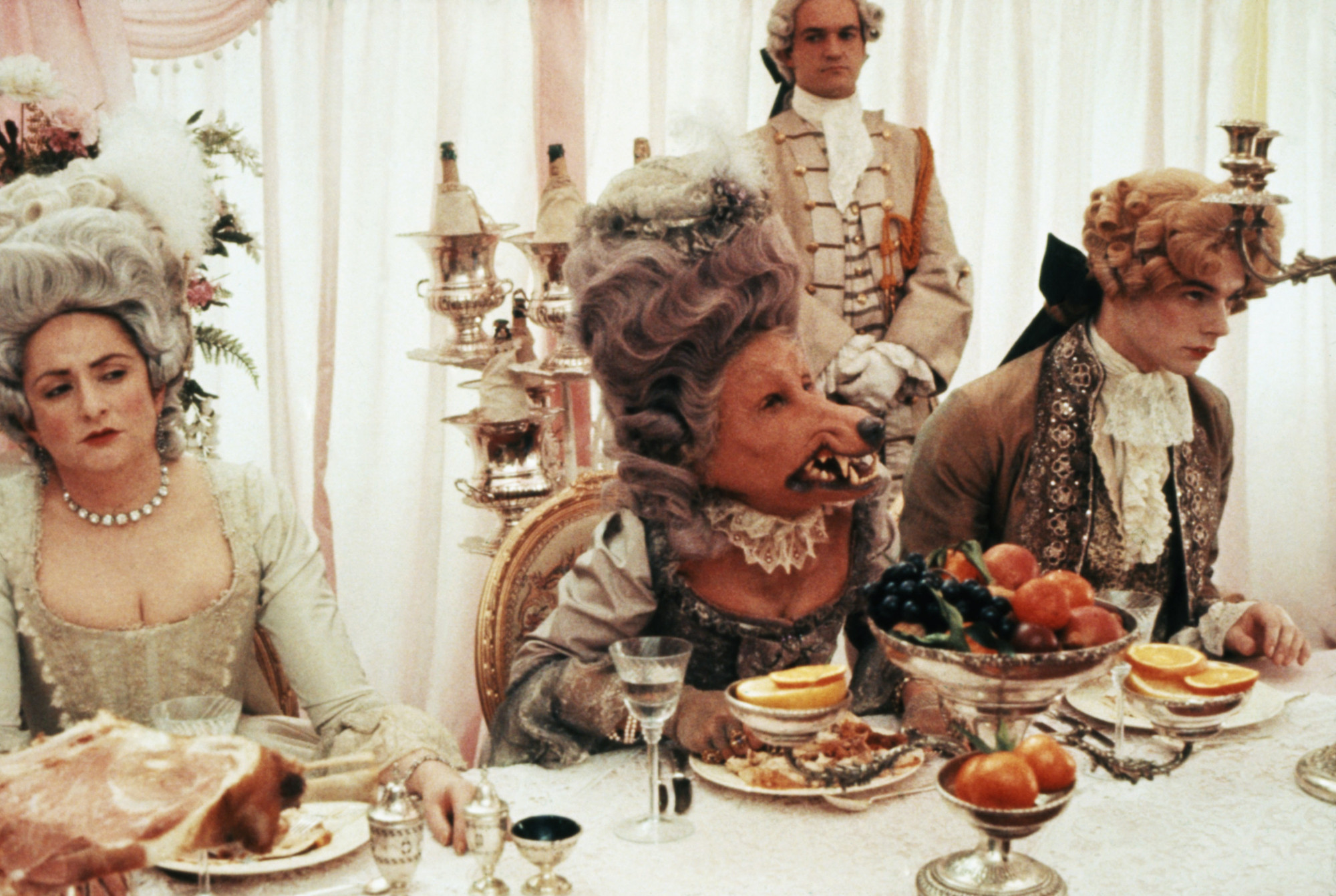
The Company of Wolves (1984)
An adaptation of Angela Carter’s short story of the same name in her masterwork, The Bloody Chamber. She wrote the script; its stories-within-stories, funhouse mirror still fascinates. I think I have absorbed this mode of telling into my DNA at this point. The special affects—before CGI—are as terrible and uncanny as the first time I watched them as a teen.
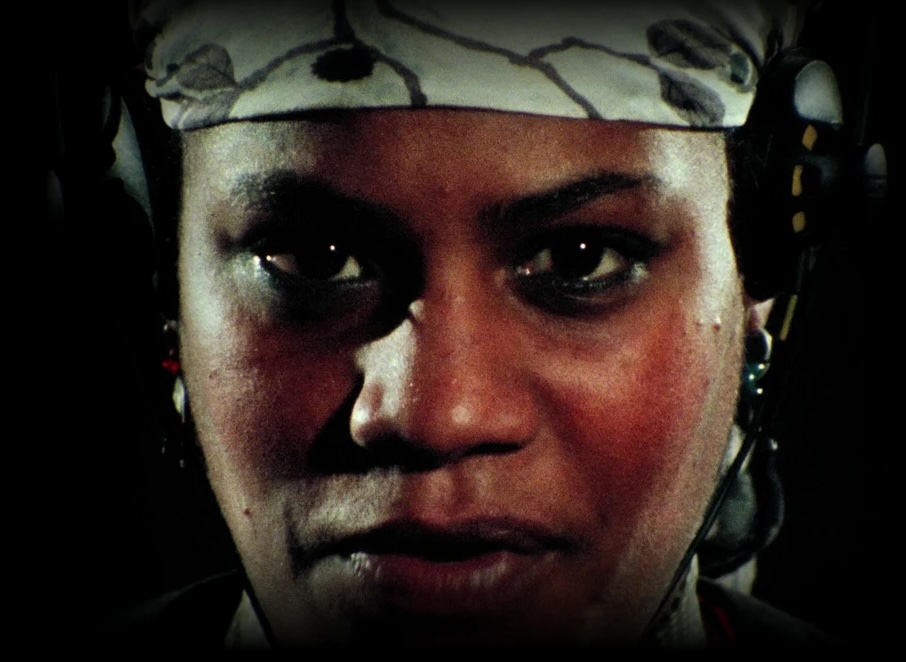
Born in Flames, (1983)
I saw this film about intersectional feminist revolution as a young woman healing from SA. Let me tell you it was CATHARTIC. In the world of this film revolution as not only necessary but possible. It also frightened me, as any powerful thing might.
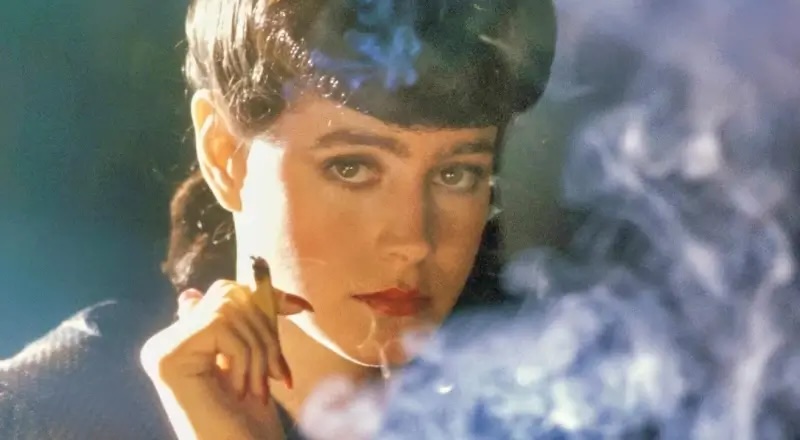
Bladerunner (1982)
I have watched this film over and over, and always find something new in it. While writing Widdershins, I returned to images of Pris and Rachel and other replicants. Their liminality and insistence on their own sentience and integrity inspired me. In many ways Kára, the pelt-less selkie doomed to be not-quite-human, was inspired by them.
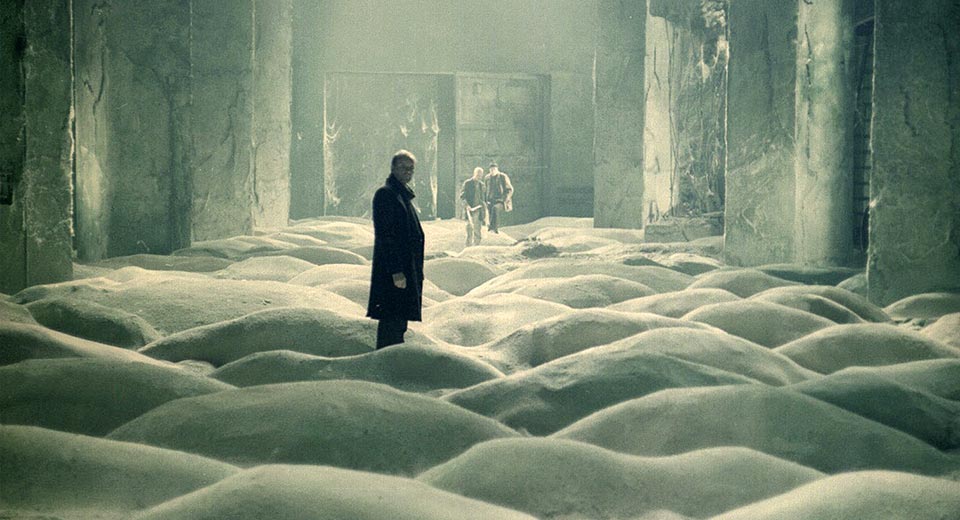
Stalker (1979)
Andrei Tarkovsky’s genre-bending film set in a post-apocalyptic Russia is poetic dreamscape. The Stalker is an illegal guide in the ‘zone,’ a post-nuclear or perhaps a site of alien tech, where laws of physics are altered. The Stalker guides a writer and professor through the wilderness—a place where human civilization has been reclaimed by nature and by something else.
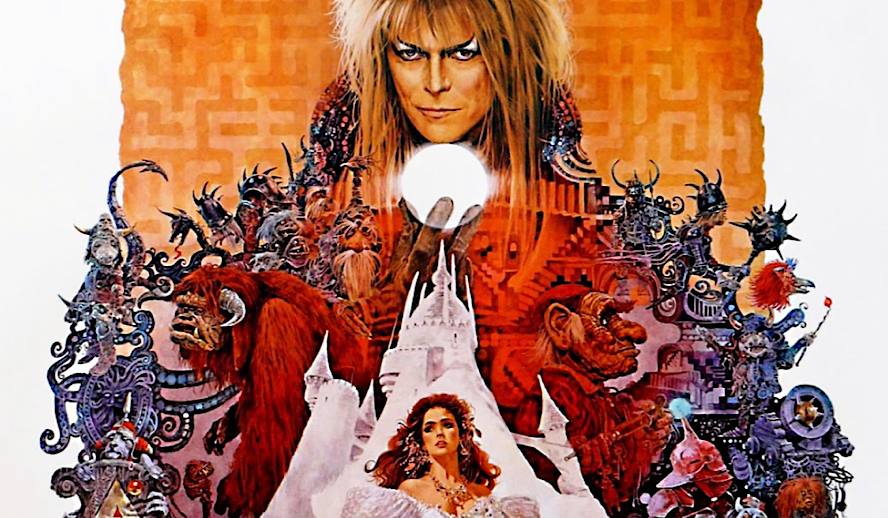
Labyrinth (1986)
Jim Henson & Brian Froud’s manifestation of fairyland and fairy logic is absolutely foundational for all fairy fic that came after, including mine.
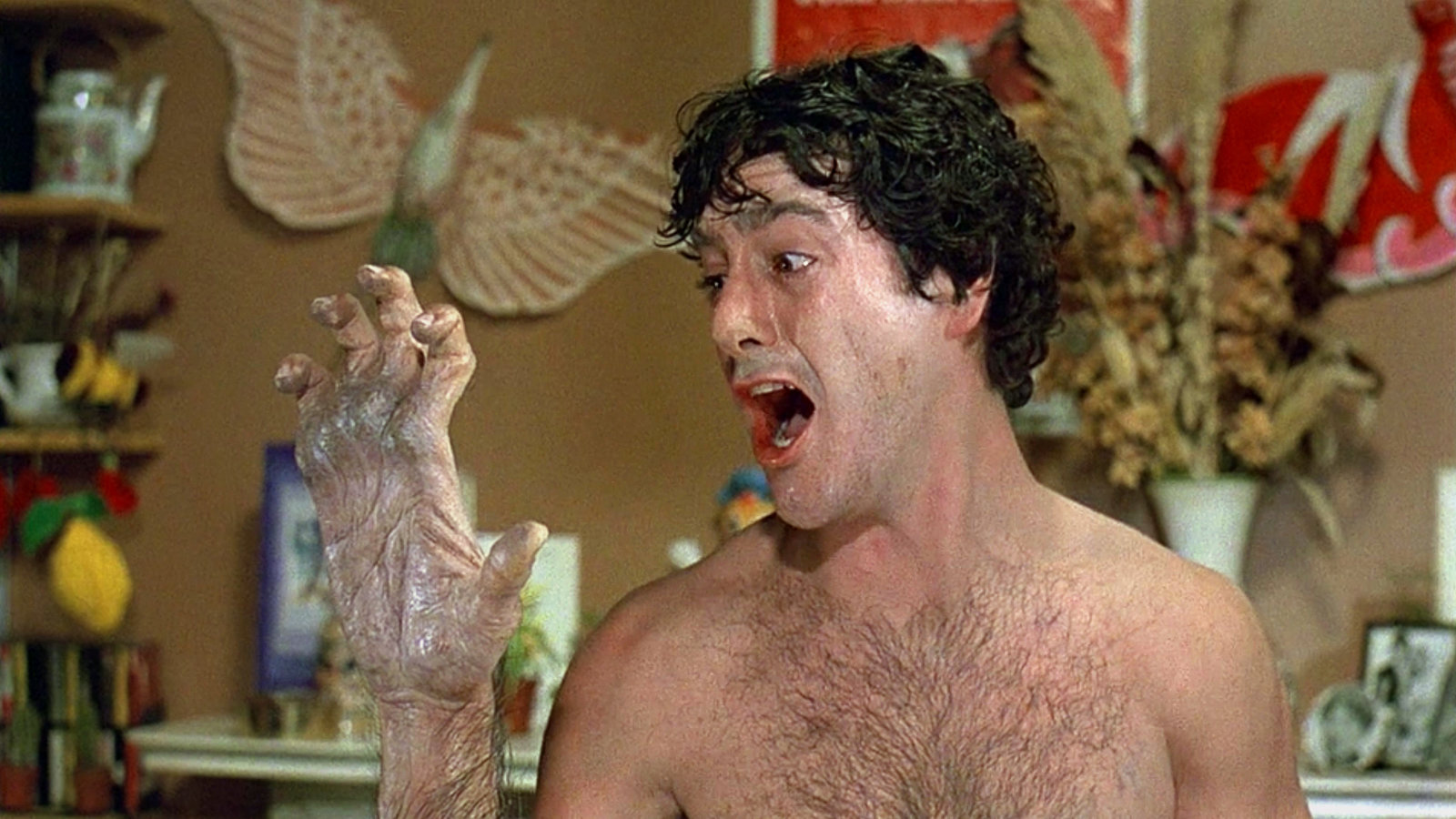
American Werewolf in London (1981)
One of my favourite horror films, when I rewatched it recently I was struck by the kindness threaded throughout the film’s beauty-and-the-beast sub plot. As I wrote and revised Widdershins, it was this thread of kindness I polished, burnishing it until it shone as the red thread of hope through the book.
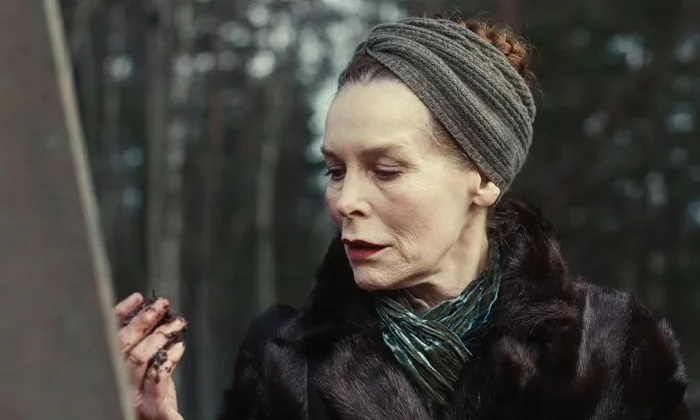
She Will (2021)
I have written before about this outstanding horror film exploring the psychogeography of the Scottish landscape, marked in places by the historical trauma of the witch hunts. It is a film about healing—the land, mind and body, but stripped of the corrupting force of ‘wellness.’ This is a path well forged through Ashes & Stones. I only saw this film after Ashes & Stones came out, but wished I’d seen it while I was writing the book. Perhaps I would have felt less alone in my task.
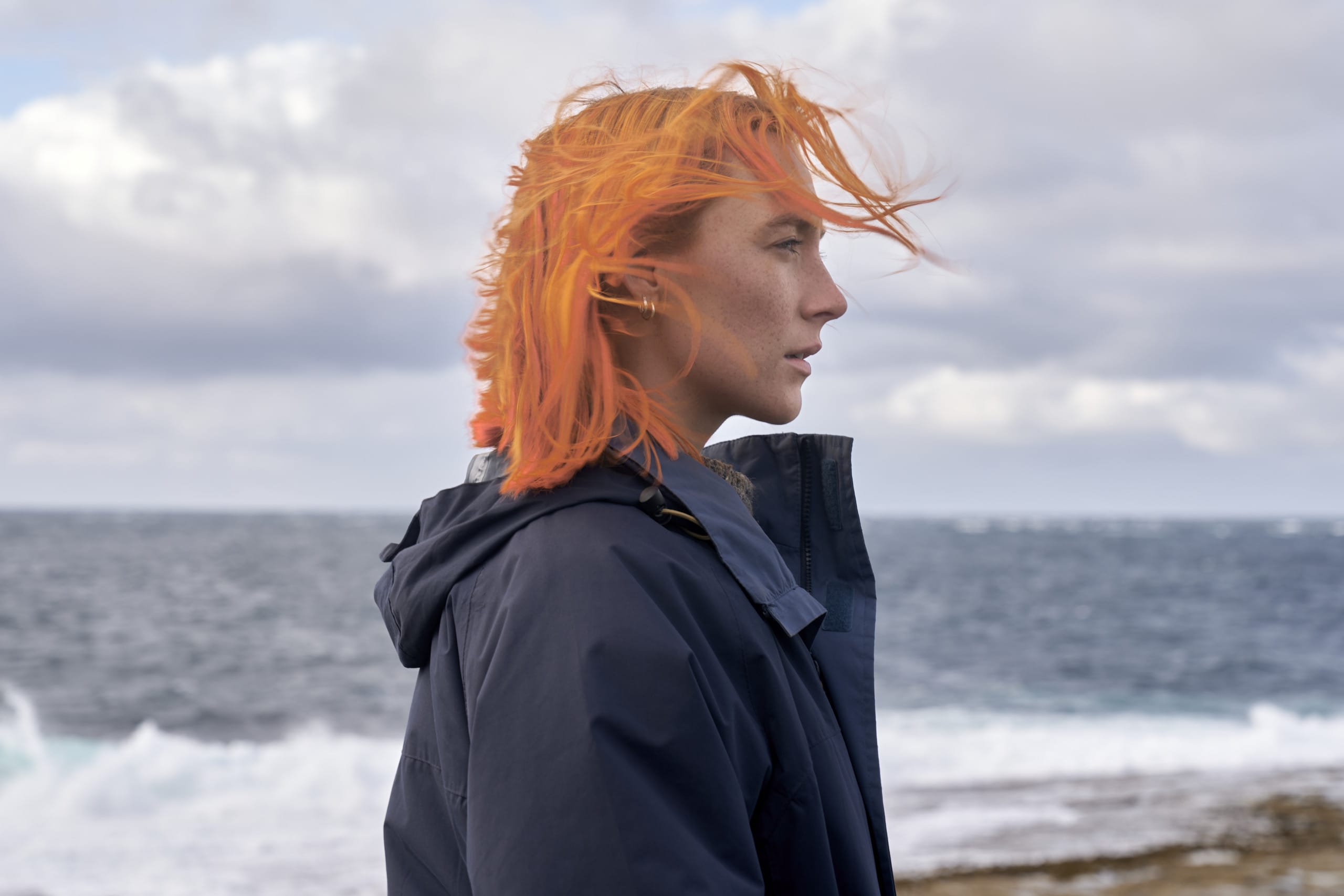
The Outrun (2024)
A beautiful rendition of Amy Liptrott’s outstanding memoir. This is an accurate portrait of the severity and mystery of Orkney, and what it feels like to live here. I fear the idea of Orkney as a ‘healing place’ might become a cliche now, and yet there’s something here that calls to me and others like me. The sense of belonging and place evoked in both the film and the book, as well as the pull of the land itself is absolutely the inspiration for Widdershins. As Steph, the chronically ill revolutionary in Widdershins, says, ‘…some people just have the islands written all over them—they mark us. We wear that island-longing like a second skin.’
The Secret of Roan Inish (1994)
This Irish selkie story shares aspects of Orcadian lore, and the original novel was set in Scotland. I saw the film as a young woman. My father actually told me about it. In a rare moment of perception he said, ‘this film is for you.’ I watched it 11 years before migrating to the UK, and 30 years before writing my own story of Seal Islands.
After the publication of Ashes & Stones I was busy moving to Orkney. During this chaos, a story began to emerge—a woman’s story. She was insistent and ever-changing, spanning millennia. I called her Kára, a valkyrie’s name, a reincarnated being attested in an Old Norse poem in the Poetic Edda. If anyone could show me how to rise from the ashes of despair—it was Kára. Her name in Old Norse means wild and stormy; she was Orcadian through and through, but from way back.
I began to write her tale down, incorporating what I had come to know from my extensive research into Scottish fairy folklore demonised during the witch hunts.
I wanted a witch book that wouldn’t dwell on persecution and suffering. I wanted a witch book that wasn’t vapidly escapist fantasy—plucking the good bits from women’s stories and leaving the rest. I wanted a witch book that wouldn’t trigger me, so I wrote one.
I also wanted complete artistic and editorial control of this book. Could I manifest this thing into the world in direct relationship to my readers? And then I made a plan to make this possible.
I will be running a Kickstarter for the book early next year, with a limited edition hardback and ebook. You—my wonderful subscribers—will be the first to hear about it!
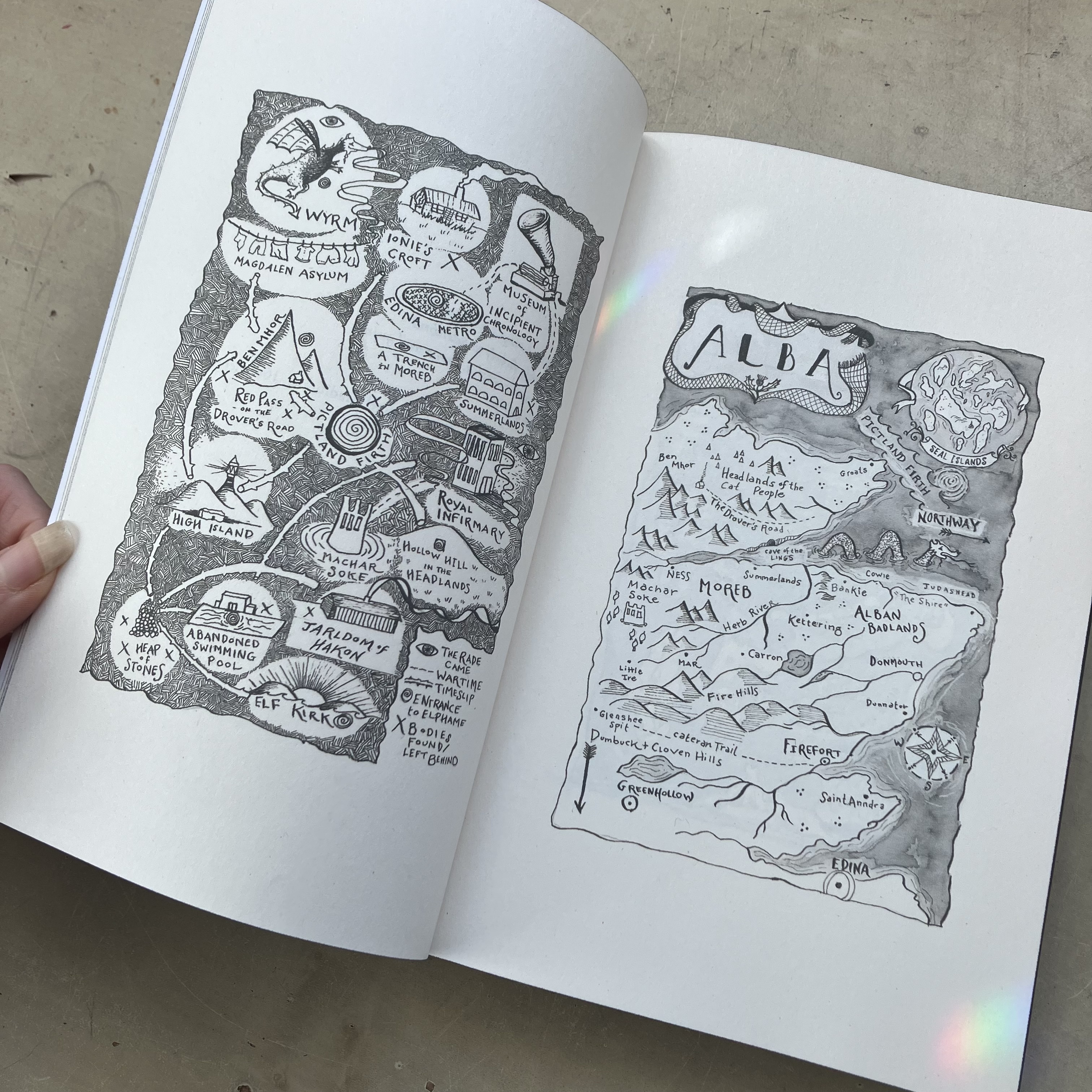
I began to create maps of the alternate Scotland and Seal Islands where the novel takes place. There is also a map that shows how Kára perceives of time—a temporal map. From that grew sketches for chapter headings. Polished versions will be included in the book
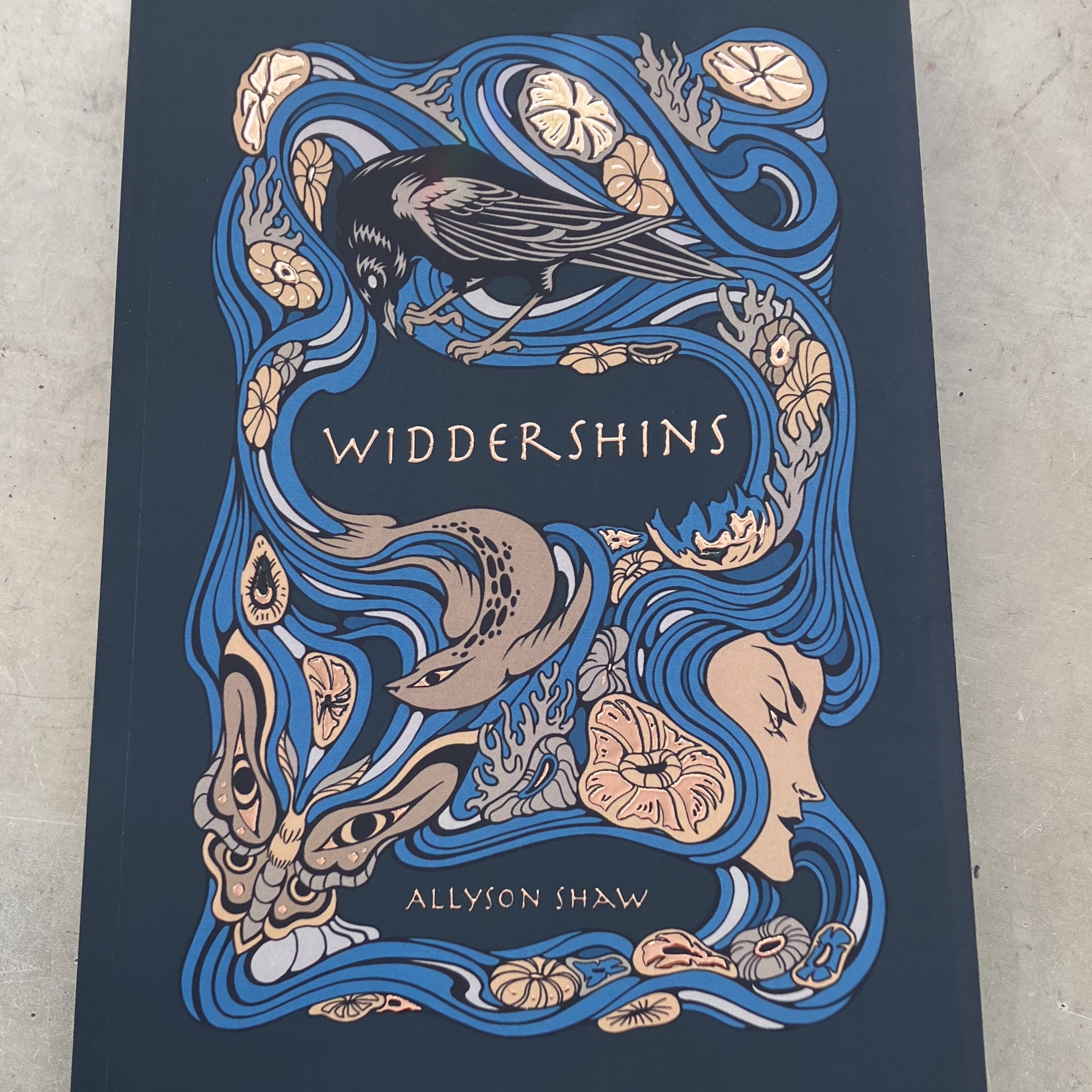
The cover is by the wonderful artist who did the illustration for the cover of Ashes and Stones, Iain Macarthur. I told him about the book, sharing art from Vail Myers and Remedios Varo that influenced me. What he has created fits the book perfectly.